Artisticity and Sustainability: How Artists Are Using Recycled Materials to Create Environmental Awareness

A Creative Revolution in Sustainability
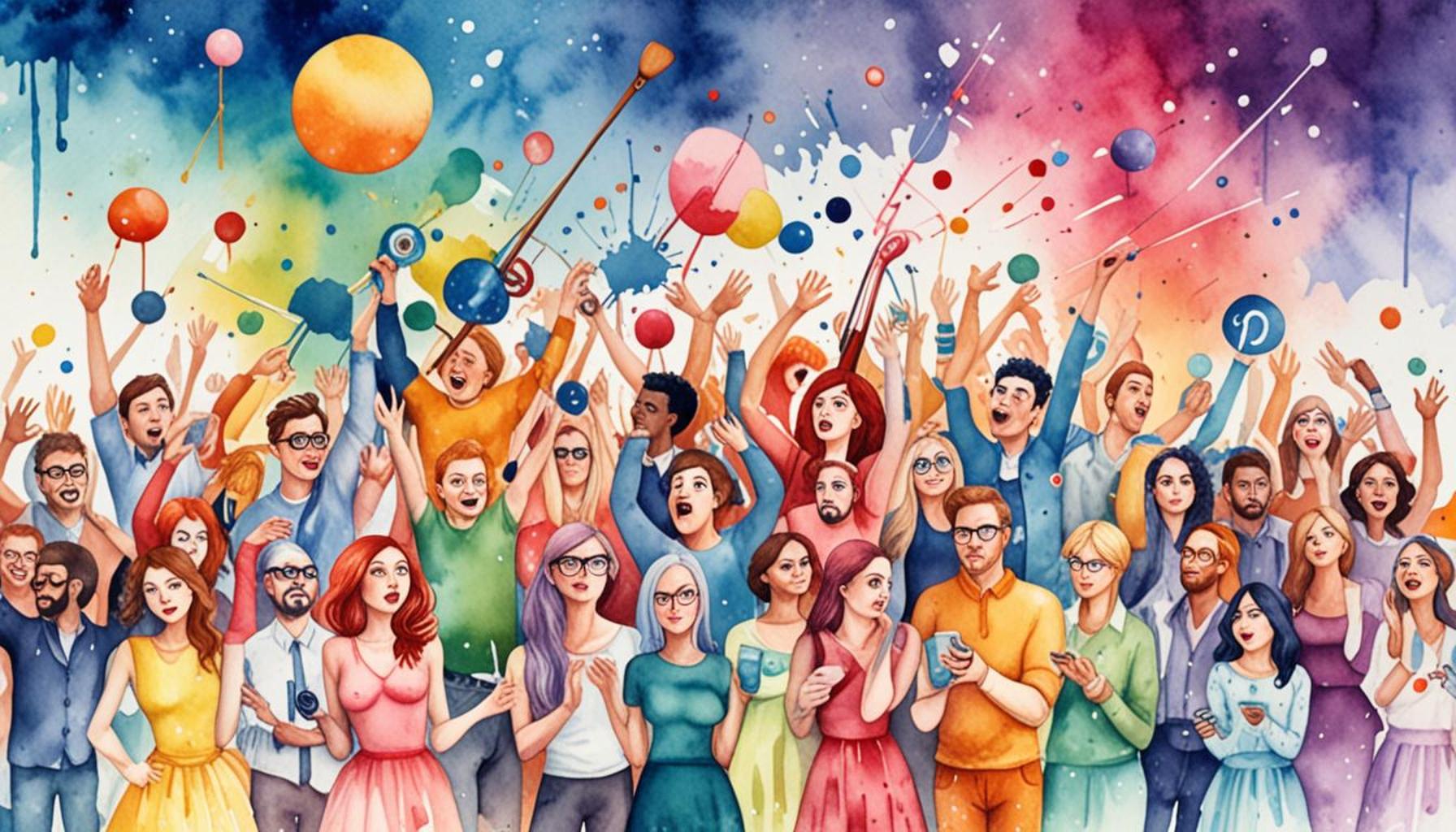
As global environmental challenges continue to escalate, a creative revolution is emerging in the United States. Artists from various backgrounds are harnessing recycled materials to craft not just striking works of art, but also to raise awareness about sustainability issues. This innovative movement is gaining momentum, effectively showcasing the profound ways in which artistic expression can intertwine with ecological responsibility.
Key Aspects of This Movement
- Innovative Materials: Artists are utilizing a diverse array of materials, ranging from discarded plastics pulled from oceans and landfills to reclaimed wood salvaged from old buildings and furniture. For instance, the artist Chris Jordan has famously created large-scale artworks from thousands of plastic bottle caps to illustrate the staggering amounts of waste generated daily. His pieces serve as both art and a visual representation of the environmental crisis.
- Awareness Campaigns: Numerous artists leverage their platforms to advocate for urgent environmental issues. For example, the artist El Anatsui has transformed discarded bottle caps and metal into intricate installations that not only beautify spaces but also prompt dialogue about consumption and waste. Through public exhibitions, artists spread messages about climate change, pollution, and the importance of sustainable practices, engaging a broader audience in the conversation.
- Community Engagement: Collaborations with local communities further enhance the message of sustainability. Initiatives like “Trash to Treasure” programs allow artists to work with community members to create art from local waste. Such projects not only beautify neighborhoods but also foster a sense of ownership and responsibility towards the environment. As communities come together, they are empowered to reflect on their waste habits and embrace more sustainable choices.
These artists are not merely creating visually appealing pieces; they are actively challenging societal norms and provocation thought. Through exhibitions, installations, and public art projects, they foster a deeper connection between nature and humanity’s impact on it. By transforming ordinary waste into meaningful art, these practitioners ignite conversations around environmental ethics and personal responsibility.
In exploring this fascinating intersection of artisticity and sustainability, we uncover how creativity can be a catalyst for change. From street art that makes bold statements on waste management to large-scale installations in urban settings that invite viewers to reconsider their relationship with consumption, art is evolving into a powerful medium for advocacy. This article delves into the inspiring stories of artists who utilize what others deem waste to inspire a new eco-consciousness within society, challenging each of us to reflect on what we can do to create a more sustainable future.
DIVE DEEPER: Click here to discover the magic of collaborative writing
Transforming Waste into Wonder
In an age where environmental issues loom larger than ever, artists are stepping forward as pivotal voices in the call for sustainability. Their innovative use of recycled materials not only creates visually captivating art but also serves as a powerful vehicle for education and awareness. This commitment to creativity has led to compelling works that challenge individuals to reconsider their consumption habits and their impact on the planet.
The Art of Repurposing
One remarkable aspect of this movement is the sheer variety of materials that artists are repurposing. This includes everyday items that people often overlook, such as:
- Plastic waste: With millions of tons of plastic ending up in oceans every year, artists like Angela Haseltine Pozzi have taken the initiative to create stunning marine-themed sculptures made entirely from ocean plastic. By capturing the beauty of marine life in her art, Pozzi draws attention to the devastating effects of plastic pollution.
- Old textiles: Textile waste is another frequent target. Artists such as Brittany J. Williams create elaborate quilts using discarded fabric, not only giving new life to what would otherwise be trash but also addressing issues of sustainability in the textile industry.
- Electronic waste: In a digital age, electronic waste has become a growing concern. Artists like David Irvine ingeniously craft sculptures from old circuit boards and components, inviting viewers to engage with the notions of consumerism and technological advancement.
This innovative repurposing is more than just recycling; it’s a reconceptualization of our relationship with objects often deemed useless. By viewing waste through a creative lens, artists invite society to acknowledge and address their roles in the environmental crisis.
Symbolic Narratives and Environmental Dialogues
Art in this context acts as a bridge between aesthetic appeal and profound messages. The power of visuals, especially those rooted in environmental narratives, cannot be underestimated. For instance, the artist Vik Muniz creates large-scale portraits using materials collected from landfills, showcasing the humanity often overlooked in discussions about waste. His work not only highlights the beauty that can arise from discarded items but also tells the stories of those affected by landfill conditions, merging art with humanitarian issues.
Moreover, artists are leveraging the power of social media to broaden the reach of their environmental messages. Through platforms such as Instagram and Facebook, these creators can engage with an audience that crosses geographical boundaries, inspiring solidarity and collective action on sustainability. Artists invite followers to take part not merely as passive observers but as active participants in cultivating a more sustainable world.
Through such artistic efforts, individuals are urged to reimagine their interactions with waste. What was once defunct can be revitalized into breathtaking art that sparks dialogues around sustainability. In this way, the artistry of repurposed materials becomes a transformative tool, stirring both emotions and actions that ripple across communities.
| Advantage | Description |
|---|---|
| Creativity | Using recycled materials allows artists to express their innovative spirit and challenge traditional art forms. |
| Environmental Impact | Art created from recycled items promotes a sustainable lifestyle, raising awareness about consumption and waste. |
| Community Engagement | Collaborative projects with local communities help foster a sense of unity and shared responsibility for the environment. |
| Educational Outreach | Artists often host workshops that educate others on recycling and sustainability through creative expression. |
The movement of using recycled materials in art is not only about aesthetic appeal but also serves vital educational purposes. Artists often participate in community events that promote sustainability, harnessing the power of creativity to initiate discussions about important environmental issues. The artworks produced from these materials tell stories of consumption, waste, and the potential for a greener future. Through immersive experiences, audiences can become advocates for sustainability. Furthermore, this collaboration sparks innovation, leading to new materials and techniques that could redefine our approach to both art and environmental stewardship. By redefining waste as a medium, artists push the boundaries of artistic form while simultaneously raising critical awareness about our ecological footprints. Engaging with this movement encourages individuals to reflect on their own roles in nurturing the planet.
DIVE DEEPER: Click here to discover more about expanding your musical horizons
Fostering Community and Connection
As the movement of using recycled materials in art gains momentum, it’s also fostering community-building and connection among artists and audiences. Often, artists collaborate with community members, organizations, and even schools to create installations that are not only remarkable in size and scope but also steeped in local significance. For example, initiatives like Project 24 in Chicago engage community members in creating large-scale murals and sculptures from reclaimed materials while educating them about waste reduction and creative expression.
Local Materials, Global Awareness
The emphasis on local materials is a defining trait of many contemporary artists. By using items that are readily available in the vicinity, artists like Danielle Eubank focus on exploring ecological themes relevant to their immediate environment. Eubank’s work harnesses repurposed sea glass, fishing nets, and other coastal debris as a way of raising awareness about shore erosion and marine degradation. This localized focus not only makes the art pieces more relatable to the community but also brings global environmental issues closer to home, prompting local action.
Interactive Art and Public Engagement
Interactive installations provide yet another layer of engagement, inviting viewers to contribute actively to the artwork. The “Trash Transformation” exhibit held in several U.S. cities challenged participants to bring in their own recyclable materials to create collaborative pieces. Such participatory art projects not only cultivate a sense of ownership but also empower attendees to reflect on their consumption patterns. By physically repurposing waste into art, individuals come to comprehend the beauty that can emerge from what they perceive as refuse.
Moreover, renowned artists like Marisa Holmes utilize performance art to challenge audiences further. In her public demonstrations, she repurposes daily waste into temporary installations, performing live to reinforce the concept that waste can be turned into meaningful art—albeit momentarily. Such temporal art draws attention to the fleeting nature of both the artworks and the waste we produce, instigating conversations that linger long after the performance ends. This approach underscores the urgency and immediacy of the environmental challenges we face, galvanizing audiences to reconsider both their environmental impact and their role as participants in the art and ecological narrative.
Education through Artistic Expression
Education is a vital component of many artists’ missions in this movement. Workshops and artist-led sessions often accompany exhibitions, in which both children and adults engage in hands-on learning about sustainability, recycling, and environmental stewardship. Artists like Elisa Giordano have established initiatives in schools that introduce young minds to the concepts of sustainability through creating art out of everyday waste products. Such initiatives not only inspire the next generation of artists but cultivate an enduring respect and commitment to the planet.
This focus on education is paramount in a society that grapples with misinformation regarding climate change and environmental issues. Through the lens of art, the often abstract and daunting topic of sustainability becomes tangible and urgent. The artistic representation of recycled materials serves to ground these conversations in a format that is familiar, inviting, and most importantly, relatable.
Ultimately, the marriage of artisticity and sustainability is creating an ever-growing ripple effect across communities and beyond, prompting critical discussions around consumption, waste, and individual responsibility in an interconnected world.
DISCOVER MORE: Click here to delve into the magic of musical collaborations
Redefining Narratives: The Future of Environmental Awareness Through Art
As we navigate the complexities of a rapidly changing world, the intersection of artisticity and sustainability presents an invaluable pathway for fostering environmental awareness. By harnessing the power of recycled materials, artists are not merely creating visually stunning pieces; they are initiating vital conversations about the implications of waste, consumption, and our collective responsibility towards the planet. Through community collaboration, local materials, interactive installations, and educational initiatives, these artists are reshaping our understanding of art as a tool for advocacy and change.
Moreover, art rooted in sustainability transcends cultural and geographical boundaries, shedding light on global environmental crises while maintaining a local focus. The choice to repurpose everyday items elevates the narrative, allowing communities to witness firsthand the potential beauty within what is typically viewed as refuse. This transformative approach does not simply challenge established norms—it invites individuals to engage actively, fostering a sense of ownership and accountability.
In a society often inundated with climate change skepticism, the role of artists as communicators of ecological narratives becomes increasingly important. By rendering abstract concepts concrete and relatable, they are cultivating a generation that not only appreciates art but recognizes the importance of sustainability. As audiences reflect on their consumption habits and environmental impact, the ripple effects of this movement will continue to inspire actionable change.
Ultimately, as we witness a flourishing convergence of creativity and ecological consciousness, it is crucial to support these artistic endeavors. The dialogue they evoke is essential for building a sustainable future—one where art and environmental responsibility coexist harmoniously, propelling us towards new horizons of awareness and action.