
The Role of Craft Skills in Strengthening the Local Community
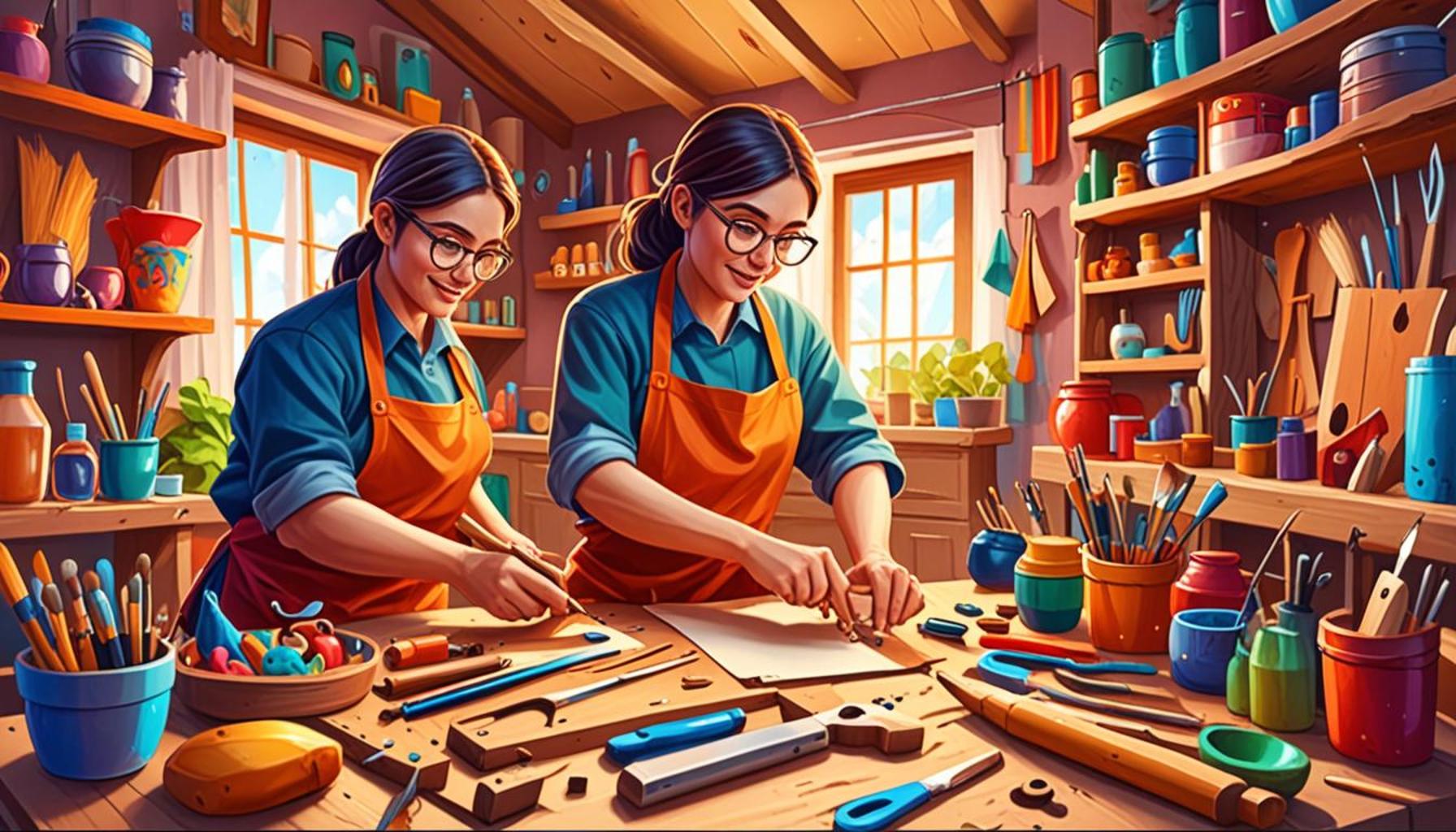
The Importance of Craft Skills in Strengthening Communities
In an era defined by technological advancements and globalized consumer markets, the revival of craft skills serves as a vital lifeline for local communities. Far from being mere pastimes, these abilities weave together the threads of tradition, innovation, and economic potential, revealing their inherent power to transform neighborhoods and strengthen communal ties.
One of the principal advantages of nurturing craft skills is their potential for economic growth. By fostering small craft businesses, communities can invigorate local economies. For instance, a skilled carpenter may start a boutique furniture shop, creating not just beautiful pieces, but also local jobs in production, sales, and logistics. This local enterprise model reduces reliance on distant suppliers and keeps money circulating within the community, creating a multiplier effect that benefits everyone involved.
Moreover, craft skills facilitate social connections. Participation in crafting activities—be it through crochet circles, pottery classes, or community art projects—gives people a shared purpose and fosters collaboration. Such environments enhance bonding, generate friendships, and promote inclusivity, turning strangers into neighbors. An illustration of this can be seen in the community quilting bees held in regions such as Appalachia, where women gather not only to create intricate quilts but also to share stories and support each other in both joyous and challenging times.
Additionally, artisans play a crucial role in the preservation of heritage. Traditional crafts, such as basket weaving in the South or Native American beadwork, not only keep the skills alive but also honor the rich history and values of cultures. This preservation ensures that future generations inherit a tangible connection to their origins, fostering pride and continuity within the community.
In today’s climate focused on sustainability, craftsmanship aligns seamlessly with environmental responsibility. Handmade products often utilize locally sourced materials, minimizing carbon footprints and waste. This emphasis on sustainability encourages conscious consumerism, where individuals prioritize quality and environmental impact over mass-produced, disposable goods.
Across the United States, success stories abound that highlight the power of craft skills. In New Mexico, vibrant pottery studios are celebrated for their stunning designs that reflect local culture, while North Carolina’s bustling textile markets showcase the artistry of handmade garments and accessories. Each of these local hotspots not only generates income but also cultivates a unique identity, contributing to a greater sense of pride and belonging.
As we delve deeper into the relationship between craft skills and community empowerment, it becomes evident that these practices offer not merely a way to create, but a method to sustain and rejuvenate communities for generations to come. Engaging with craft skills can lead individuals and neighborhoods toward a brighter, more resilient future filled with creative possibility.
DISCOVER MORE: Click here to learn about the vital role of craft skills in sustainability
The Economic Impact of Craft Skills
Investing in craft skills yields significant advantages for local economies, and its ripple effects can reshape entire neighborhoods. As communities harness their collective craftsmanship, they not only create visually appealing products but also foster entrepreneurship and stimulate job growth. This grassroots economic development contributes to a healthier and more sustainable local economy.
A prime example of this economic renaissance can be seen in the rise of artisanal markets and craft fairs, which have become both platforms for vendors and destination events for consumers. Events like the Brooklyn Craft Fair or the Renegade Craft Fair in various cities across the United States draw crowds eager to support local artisans. Such gatherings not only boost sales but also strengthen the community’s identity. By purchasing handmade products directly from creators, consumers foster a sense of personal connection with the items they acquire, knowing they are supporting local livelihoods.
In addition to direct sales, craft skills contribute to a robust supply chain for local businesses. Artisans often find ways to collaborate, sharing resources and materials that further enhance their creative endeavors. For instance, a local metalworker might partner with a woodworker to create intricate designs that blend materials, while heralding the significance of local resources. This amalgamation promotes a spirit of cooperation and interconnectedness among community members.
Social Connections and Community Bonds
The importance of social connections fostered through craft skills cannot be overstated. Participating in crafting initiatives establishes a sense of belonging and facilitates interactions among diverse groups within a community. These creative spaces become natural hubs, offering opportunities for learning and mentorship, ultimately generating stronger ties.
- Workshops and Classes: Local organizations and community centers often organize crafting workshops where individuals can gather to learn from skilled artisans. These classes not only impart knowledge but strengthen friendships as participants bond over shared creativity.
- Collaborative Projects: Communities can come together to undertake larger craft projects, such as murals or public installations, showcasing collective artistry while reinforcing pride in their local environment.
- Online Platforms: With the advent of social media and online marketplaces, artisans can connect with each other, share techniques, and even collaborate on challenging projects despite geographical distances.
In conclusion, the evidence is clear: promoting craft skills serves as a powerful tool for bolstering both economic stability and social cohesion within communities. As individuals engage in these activities, they create not just products but lasting relationships that can transform their neighborhoods into vibrant, interconnected ecosystems. As the rise of craftsmanship continues, so too does the opportunity for communities to thrive collectively, paving the way for a future sustained by creativity and collaboration.
| Category | Description |
|---|---|
| Community Empowerment | Craft skills serve as a platform for local artisans to empower themselves and their neighbors as they share knowledge and techniques. |
| Economic Development | By promoting local crafts, communities can boost their economies through increased sales and tourism, which in turn creates job opportunities. |
The role of craft skills in strengthening local communities extends beyond mere creativity; it functions as a catalyst for community empowerment. From workshops to collaborative projects, skilled artisans can uplift their neighborhoods by sharing their expertise, leading to heightened skill acquisition among residents. This sharing not only fosters relationships but also encourages a sense of belonging, essential for a cohesive community.Furthermore, the focus on economic development through local crafts can yield significant benefits. When communities invest in their artisans, they stimulate economic growth, attracting visitors who seek authentic, locally-made products. Such initiatives not only preserve cultural heritage but also create avenues for sustainable job creation and support, ensuring that local craft traditions thrive in an increasingly commercialized world. The ripple effects often lead to broader community engagement, enhancing the local economy while strengthening bonds among its members. With these elements in play, craft skills emerge as essential tools, actively forging connections and bolstering the local community’s vitality.
DISCOVER MORE: Click here to uncover how craft skills can boost your entrepreneurial journey
Cultural Heritage and Identity Preservation
Craft skills serve as a vital link to a community’s cultural identity and heritage. As local artisans engage in traditional crafts, they play a crucial role in preserving the stories, practices, and materials that define their unique backgrounds. This connection to heritage fosters not only pride but also an understanding of the community’s history among residents and visitors alike.
Many communities across the United States have witnessed a revival of interest in traditional crafts. For instance, the town of Madeira Beach, Florida, has become known for its vibrant local craft scene centered around the art of hand-loom weaving, which reflects the area’s rich fishing heritage. Events like the Madeira Beach Art Festival showcase local artisans who not only sell their creations but also educate attendees about the historical significance of their craft. This cross-generational transfer of knowledge enriches the community and strengthens its cultural character.
The craft revival movement has also played a significant role in safeguarding endangered techniques. Artisans are embracing their cultural lineage, recognizing it as both an asset and a responsibility. Workshops offered by heritage organizations help instill valuable skills in younger generations, ensuring that traditional arts—like Native American beadwork or Appalachian pottery—remain alive and relevant. The incorporation of these elements empowers local artisans to create unique products that tell powerful stories, therefore establishing a deeper connection with consumers.
Environmental Sustainability through Craft Practices
Craft skills also champion sustainability, encouraging communities to reevaluate their relationship with the environment. Local artisans often prioritize the use of repurposed and locally sourced materials, which reduce waste and lower their carbon footprint. For example, many furniture makers in the Pacific Northwest utilize salvaged wood from old barns and mills, demonstrating a commitment to respecting the community’s natural resources. This practice not only benefits the environment but underscores the notion that community members are stewards of their geography.
Additionally, many crafting practices contribute to a circular economy, where materials are reused, repurposed, and transformed into new products. This contrasts starkly with today’s mass production lines, where items are often disposable and devoid of character. Local makers—for instance, soap creators or potters—emphasize quality and durability over quantity, often leading to products that hold personal significance but are also ecologically sound.
The Influence of Community Support
The power of community support in enhancing craft skills plays a crucial role in building a strong local economy. When municipalities establish policies that promote artisanal initiatives, such as allocating public spaces for craft fairs or providing grants for artisan workshops, it amplifies the reach of these efforts. Such support not only benefits artisans but also attracts tourists and generates revenue for local businesses.
Moreover, local collaborations can lead to more significant opportunities for artisans. Partnerships with schools, museums, and businesses can pave the way for exhibitions, pop-up shops, and educational programs that elevate the craft community. For instance, programs like the Craft Education Initiative in New York City facilitate connections between artisans and educational institutions, creating enriching experiences that showcase the skills and hard work behind craftmanship.
Overall, the integration of craft skills into the local community landscape offers multifaceted benefits—preserving culture, enhancing sustainability practices, and fostering cooperative spirits that lead to economic prosperity. The movement forward hinges on a collective recognition of these strengths, ultimately allowing communities to thrive through the power of creativity and togetherness.
DISCOVER MORE: Click here to learn about developing craft skills
Conclusion
In summary, the significance of craft skills in strengthening local communities cannot be overstated. By acting as conduits for cultural heritage, environmental stewardship, and economic development, these skills weave an intricate tapestry that defines the identity and vitality of neighborhoods across the United States. As communities rediscover and embrace traditional crafts, they not only revive age-old techniques but also foster a renewed sense of belonging and pride among residents.
Moreover, craft practices contribute to environmental sustainability by prioritizing the use of locally sourced and repurposed materials, encouraging a harmonious relationship with the natural world. This commitment to sustainability reinforces the idea that artisans are dedicated to preserving their communities, not only through their work but also through conscious choices that benefit the planet.
Community support plays a pivotal role in the evolution of these craft movements. Initiatives that promote local artisans, coupled with partnerships that educate and inspire, enhance the creative landscape and provide platforms for collaborative growth. By investing in awareness and resources for artisans, towns can cultivate vibrant spaces that attract visitors and stimulate local economies.
As we look to the future, it is imperative to recognize the value of craft skills as integral to fostering resilient, interconnected communities. By supporting artisans, promoting sustainable practices, and cherishing cultural legacies, we can ensure that the spirit of craftsmanship continues to thrive, paving the way for a rich, flourishing community identity. Embracing this commitment will ultimately lead us toward a more cohesive and sustainable society that celebrates creativity and the bonds that unite us all.