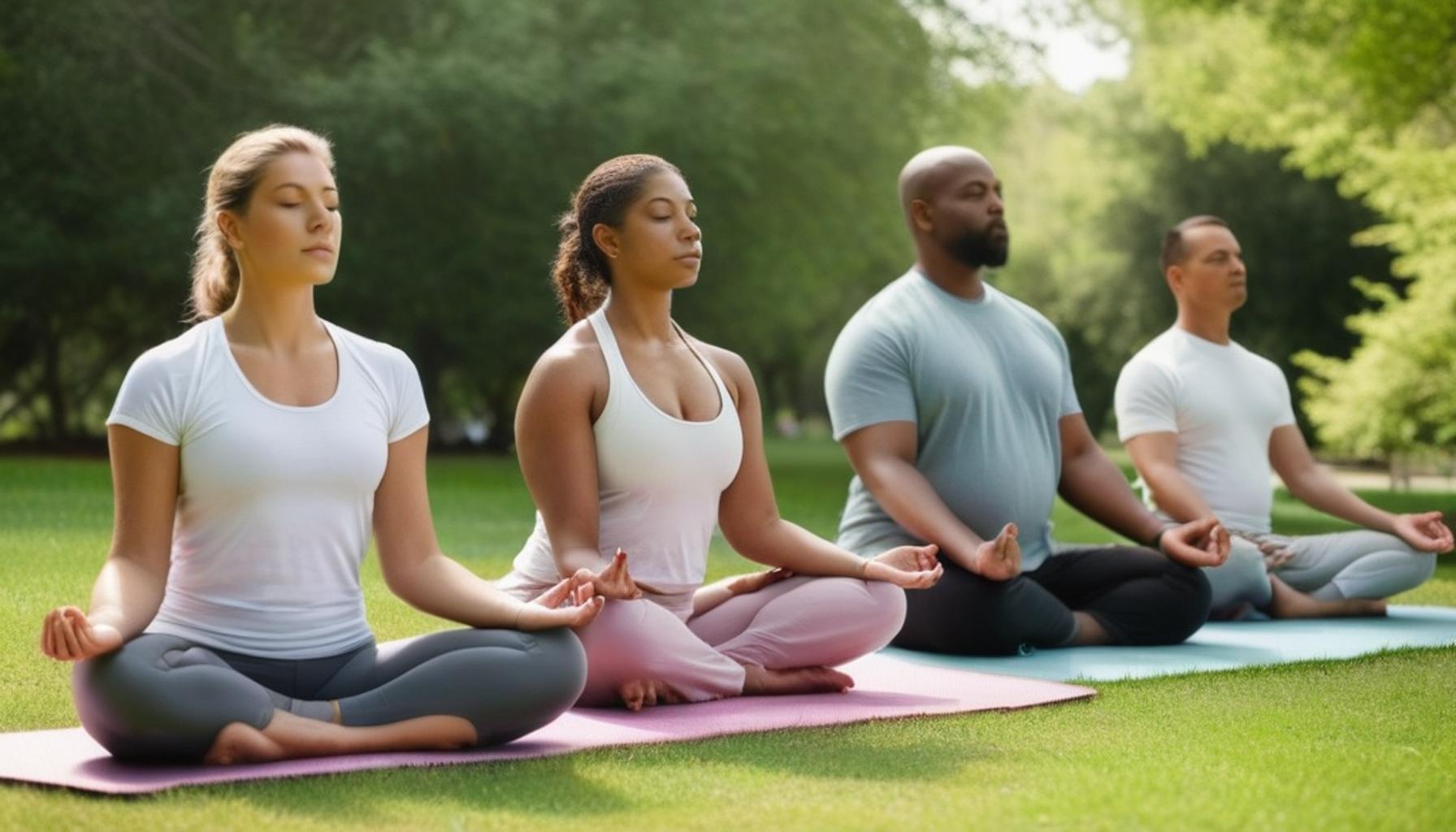
The Role of Mindfulness in Enhancing Mental Wellbeing

Finding Calm in a Chaotic World
Americans are more stressed than ever. According to the American Psychological Association, 77% of U.S. adults report experiencing stress that affects their physical health on a regular basis. From missed sleep to tension headaches, the modern grind is taking a visible toll on the nation’s wellbeing.
Amid this mental health crisis, one ancient practice has stormed into mainstream wellness culture: mindfulness. From Silicon Valley boardrooms to elementary school classrooms in Ohio, mindfulness and mental wellbeing have become inseparable topics of conversation. Even professional sports teams, including several NFL organizations, have added mindfulness coaches to their staff rosters, signaling just how far this practice has traveled from its meditative roots.
Why Everyone Is Talking About Mindfulness
This isn’t just a passing wellness trend. Scientific research increasingly confirms how mindfulness improves wellbeing, offering measurable results for anxiety, depression, and chronic stress. Universities like Harvard and UCLA now run dedicated research centers studying how the brain responds to consistent mindfulness training, lending credibility to what was once dismissed as new age fluff.
Consider what makes this practice so compelling:
- Reduces cortisol levels and lowers blood pressure
- Improves focus and emotional regulation
- Requires no special equipment or expensive memberships
- Can be practiced in as little as five minutes a day
Unlike fad diets or expensive gym memberships, mindfulness asks for very little upfront investment. All it truly requires is a willingness to sit still and pay attention, something that sounds simple but proves surprisingly difficult in a culture built around constant notifications and endless scrolling.
What This Article Will Explore
This piece dives into the benefits of mindfulness backed by clinical research, along with practical mindfulness techniques for stress relief you can start using today. We’ll look at real-world applications, from a commuter practicing breathwork on a crowded subway in New York City to a busy parent in Texas finding thirty seconds of stillness between school drop-offs.
We’ll also examine specific mindfulness practices for mental health, including breathing exercises, body scans, and guided meditation apps popular among U.S. users, such as Headspace and Calm, both of which have seen download numbers skyrocket since 2020.
Finally, we’ll break down the science behind mindfulness meditation benefits, exploring how just a few weeks of consistent practice can reshape brain activity and emotional resilience. Brain imaging studies suggest that regular practitioners show measurable changes in the amygdala, the region responsible for processing fear and stress, hinting that calm might be more trainable than most people realize.
YOU MAY ALSO LIKE: The Importance of Daily Meditation for Mental Health and Emotional Balance
# The Science Behind the StillnessLong before wellness apps and corporate seminars, mindfulness had a quieter origin story rooted in Buddhist meditation traditions dating back over 2,500 years. What’s changed isn’t the practice itself, but the mountain of clinical data now validating what practitioners have claimed for centuries.Jon Kabat-Zinn, a molecular biologist at the University of Massachusetts, deserves much of the credit for bringing mindfulness into Western medicine. In 1979, he developed Mindfulness-Based Stress Reduction (MBSR), a structured eight-week program now used in hospitals, veterans’ clinics, and universities across the country. That single program essentially launched the clinical study of mindfulness and mental wellbeing as we know it today. What started as a modest experiment at a Massachusetts hospital has since grown into a global movement, with MBSR training now offered on nearly every continent and adapted for everything from chronic pain management to corporate burnout prevention.
What Happens Inside the Brain
Neuroscientists have used MRI technology to track what happens when someone commits to regular mindfulness practice. The results are striking. Researchers at Massachusetts General Hospital found that participants who completed an eight-week MBSR course showed measurable increases in gray matter density in the hippocampus, the region tied to memory and learning.
At the same time, the amygdala, the brain’s alarm system for fear and stress, showed reduced activity and even physical shrinkage in some participants. This is a significant clue in understanding how mindfulness improves wellbeing on a biological level, not just an emotional one. Some researchers have compared this shift to strength training for the brain’s emotional regulation center, suggesting that consistent practice essentially rewires how a person responds to stress triggers before they spiral into full-blown anxiety.
These shifts aren’t reserved for monks who meditate for hours daily. Studies suggest visible changes can occur in as little as eight weeks of consistent, moderate practice, roughly 20 to 30 minutes a day. Researchers at institutions like Harvard Medical School have replicated similar findings, reinforcing the idea that these are not one-off results but a consistent pattern worth taking seriously.
Beyond the Brain Scan: Everyday Impact
Clinical trials have connected mindfulness practice to a range of tangible outcomes, many of which speak directly to the chronic stress epidemic facing American adults. Documented benefits of mindfulness include:
- Lower symptoms of generalized anxiety disorder, according to Johns Hopkins-led research
- Reduced relapse rates in individuals with recurrent depression
- Improved sleep quality, particularly among people with insomnia
- Better cardiovascular markers, including reduced resting heart rate
- Sharper attention span and reduced mental fatigue during work tasks
A 2014 meta-analysis published in JAMA Internal Medicine reviewed nearly 19,000 meditation studies and concluded that mindfulness programs showed moderate evidence of improving anxiety, depression, and pain, comparable in some cases to results seen with antidepressant medication, though without the side effects.
That comparison alone explains why so many therapists across the U.S., from private practices in Los Angeles to community mental health centers in rural Appalachia, have started incorporating mindfulness practices for mental health into standard treatment plans rather than treating it as an alternative or supplementary option.
Why This Matters for Everyday Americans
Perhaps the most compelling part of this story is accessibility. Unlike prescription medication, mindfulness requires no insurance approval, no pharmacy visit, and no waiting period for side effects to subside. The barrier to entry is remarkably low: a quiet corner, a few uninterrupted minutes, and a willingness to sit with discomfort rather than immediately escape it.
Employers have taken notice too. Companies ranging from tech giants in Silicon Valley to manufacturing plants in the Midwest have begun offering mindfulness training as part of employee wellness packages, betting that calmer, more focused workers translate into fewer sick days and better retention rates.
Skeptics remain, and rightfully so, since not every study meets the gold standard of randomized controlled trials. Still, the sheer volume of consistent findings across different research institutions makes it difficult to dismiss mindfulness as mere trend. For anyone curious enough to dig into the primary research, the data offers a compelling invitation to look closer.
Key Aspects of Mindfulness and Mental Wellbeing
Understanding mindfulness and mental wellbeing requires looking beyond simple relaxation. Research from Harvard Medical School shows regular practice can physically reshape brain regions tied to stress and emotional regulation. The table below breaks down core components driving these results, offering a quick reference before diving deeper into specific mindfulness techniques for stress relief and their measurable impact on daily life.
| Category | Impact on Wellbeing |
|---|---|
| Breathing Awareness | Lowers cortisol levels within minutes, easing acute anxiety |
| Body Scan Meditation | Improves sleep quality and reduces chronic tension |
| Cognitive Reframing | Strengthens resilience against negative thought loops |
| Daily Journaling | Tracks progress, reinforcing mindfulness meditation benefits over time |
Each entry reflects proven mindfulness practices for mental health backed by clinical studies, hinting at how small daily adjustments compound into significant psychological gains worth exploring further.
DISCOVER MORE: Click here to learn how mindfulness can aid in stress management
# Putting Practice Into Action: Techniques That Actually WorkUnderstanding the science is one thing. Translating it into a daily habit that sticks is another challenge entirely, and it’s where most people stumble. The good news is that effective mindfulness techniques for stress relief don’t require a meditation cushion, incense, or an hour of free time most Americans simply don’t have. In fact, some of the most effective approaches take less time than scrolling through a social media feed during a coffee break.
Simple Entry Points for Beginners
Clinical psychologists who specialize in mindfulness-based interventions often recommend starting small rather than attempting an ambitious 45-minute session on day one. Consistency matters more than duration, and building a two-minute habit that survives a hectic Tuesday is far more valuable than an hour-long session that only happens once a month.
Some of the most widely recommended starting techniques include:
- Box breathing, inhaling for four counts, holding for four, exhaling for four, and holding again, used by everyone from Navy SEALs to hospital nurses managing shift stress
- Body scan meditation, a technique borrowed directly from Kabat-Zinn’s original MBSR curriculum
- The five senses exercise, pausing to name something you see, hear, smell, touch, and taste to anchor attention in the present moment
- Walking meditation, particularly popular in urban areas where a lunchtime stroll through a city park doubles as movement and mental reset
Apps like Headspace and Calm have capitalized on this demand, reporting tens of millions of downloads across the U.S., though researchers caution that app-based practice shows more modest results than structured, therapist-led programs. Part of the gap likely comes down to accountability. A guided app session is easy to skip when a notification interrupts it, while a scheduled appointment with a therapist carries social and financial commitment that keeps people showing up.
Mindfulness in Clinical Settings
Beyond personal use, mindfulness practices for mental health have been formally integrated into treatment protocols. Mindfulness-Based Cognitive Therapy, or MBCT, developed specifically to prevent depression relapse, is now recommended by the UK’s National Institute for Health and Care Excellence and used increasingly by American clinicians treating recurrent mood disorders.
Veterans Affairs hospitals across the country have also adopted mindfulness training as a complementary approach for service members managing PTSD, with several VA facilities in states like Texas and North Carolina running structured programs alongside traditional talk therapy. Clinicians involved in these programs often note that veterans respond well to the structured, almost tactical nature of breathing exercises, since the discipline echoes military training rather than feeling like an unfamiliar wellness trend.
A Skill, Not a Quick Fix
One misconception worth addressing directly: mindfulness is not a one-time cure. Researchers studying mindfulness meditation benefits consistently emphasize that outcomes correlate with sustained practice, not occasional use during particularly stressful weeks.
A 2018 study published in Psychiatry Research followed participants over sixteen weeks and found that those who maintained daily practice reported significantly greater reductions in cortisol levels compared to those who practiced sporadically. The takeaway echoes what fitness trainers say about physical exercise: irregular effort produces irregular results, and skipping weeks at a time essentially resets progress back toward baseline.
For Americans juggling long commutes, unpredictable work schedules, and constant digital notifications, that consistency is admittedly difficult. But even fragmented practice, five minutes during a coffee break, a few conscious breaths before a difficult phone call, appears to accumulate benefits over time according to longitudinal research from UCLA’s Mindful Awareness Research Center. Researchers there suggest that the cumulative effect of small, repeated moments of awareness may matter more than any single dedicated session, offering a more realistic path forward for people who cannot commit to daily hour-long retreats.
Ultimately, the appeal of these techniques lies in their flexibility. Whether practiced in a VA clinic, a therapist’s office, or a parked car before walking into a stressful meeting, mindfulness adapts to the demands of modern American life rather than requiring life to adapt around it.
Conclusion: A Small Practice With Outsized Potential
The evidence gathered from clinical trials, VA hospitals, and university research centers points to a consistent conclusion: mindfulness and mental wellbeing are deeply intertwined, not as a fleeting trend but as a measurable, biologically grounded relationship. From reduced cortisol levels to structural changes observed in brain imaging studies, the science has moved well past speculation. Researchers at institutions like Harvard and UCLA have documented changes in the amygdala and prefrontal cortex among regular practitioners, suggesting that consistent practice can physically reshape how the brain processes stress and emotion over time.
What makes this field particularly compelling is its accessibility. Unlike many interventions that require significant financial investment or specialized equipment, the benefits of mindfulness are available to nearly anyone willing to pause for a few minutes a day. A commuter in Chicago, a nurse finishing a night shift in Ohio, or a veteran attending a VA program in North Carolina can all access the same core techniques, adapted to their own circumstances. Apps, community classes, and even workplace wellness programs across the country have made structured guidance easier to find than ever before, lowering the barrier to entry for people who once assumed meditation required years of discipline or a quiet retreat in the mountains.
That said, the research also offers a dose of realism. Mindfulness is not a substitute for professional mental health treatment when conditions like severe depression or PTSD are involved, and experts continue to stress that it works best as a complement to, not a replacement for, clinical care. Understanding how mindfulness improves wellbeing means recognizing both its power and its limits, especially for individuals navigating more complex psychological challenges.
Looking ahead, researchers are already investigating how virtual reality and biometric feedback might refine mindfulness training further, potentially making it even more precise and personalized, tailoring sessions to an individual’s heart rate variability or stress markers in real time.
For now, the takeaway remains refreshingly simple. A few intentional breaths, repeated consistently, may do more for long-term mental health than any single dramatic intervention, a modest practice with genuinely outsized potential.
Frequently Asked Questions
How does mindfulness actually improve mental wellbeing?
Mindfulness trains the brain to notice thoughts and emotions without immediately reacting to them, which lowers stress hormone levels and reduces rumination. Over time, this practice strengthens areas of the brain linked to emotional regulation, such as the prefrontal cortex, while calming the amygdala’s stress response. Research consistently links regular mindfulness practice to reduced symptoms of anxiety and depression and improved overall life satisfaction.
How long does it take to see mental health benefits from mindfulness practice?
Many people notice small shifts in stress levels and focus within two to three weeks of daily practice, even with sessions as short as 10 minutes. More significant changes in anxiety, mood regulation, and resilience typically emerge after 8 weeks of consistent practice, which is the timeframe used in most clinical mindfulness studies. Consistency matters more than session length, so short daily practice tends to outperform occasional longer sessions.
What is the difference between mindfulness and meditation for mental wellbeing?
Meditation is a formal practice, often done sitting quietly for a set period, that trains focus and awareness. Mindfulness is a broader mental state of paying attention to the present moment that can be practiced during meditation or throughout everyday activities like eating or walking. Both support mental wellbeing, but mindfulness can be applied more flexibly throughout daily life without requiring a dedicated meditation session.
Can mindfulness help with anxiety and intrusive thoughts specifically?
Yes, mindfulness helps by teaching individuals to observe anxious or intrusive thoughts as passing mental events rather than facts that demand immediate action. This reduces the tendency to spiral into worry cycles and creates space between a thought and an automatic reaction. Techniques like body scans and breath-focused awareness are especially effective for interrupting anxious thought patterns in the moment.
What are simple mindfulness exercises beginners can use to support mental wellbeing?
Beginners can start with a five-minute breathing exercise, focusing solely on the sensation of inhaling and exhaling whenever the mind wanders. Another effective practice is the body scan, where attention moves slowly from head to toe noticing physical sensations without judgment. Mindful walking and mindful eating, where full attention is given to the physical experience of the activity, are also accessible ways to build the habit without needing extra time.

Linda Carter
Linda Carter is a writer specializing in healthy habits and balanced living. With extensive experience helping readers build sustainable routines, she shares practical guidance on nutrition, physical activity, quality sleep, stress management, and emotional well-being. Her goal is to offer simple, accessible strategies that inspire people to care for their health and enjoy a more balanced life.