The connection between physical exercise and sleep quality: strategies to improve your rest
Why Your Workout Routine Could Be the Key to Better Sleep
Nearly 1 in 3 American adults don’t get enough sleep, according to the CDC. At the same time, millions struggle to find motivation for regular exercise. What if these two problems share a surprisingly simple solution?
Science increasingly points to a powerful exercise sleep connection that most people overlook. Moving your body during the day doesn’t just build muscle or burn calories—it directly influences how well you rest at night.
The Science Behind Movement and Rest
Researchers have found that consistent physical activity can reduce the time it takes to fall asleep and increase overall sleep quality. This relationship between physical activity and sleep works through multiple biological pathways, including body temperature regulation and stress hormone reduction.
When you exercise, your core body temperature rises. Several hours later, as it drops back down, your brain receives a natural signal that it’s time to wind down—a process closely tied to the release of melatonin. This temperature shift explains why a morning jog or an afternoon gym session can set the stage for deeper rest later that night. Exercise also lowers cortisol, the primary stress hormone, which can otherwise keep your mind racing at 2 a.m.
Understanding how to improve sleep with exercise could transform your nightly rest without medication or expensive gadgets. Consider these documented benefits:
- Reduced insomnia symptoms in adults who exercise regularly
- Deeper slow-wave sleep that supports physical recovery
- Faster sleep onset, sometimes by 10-15 minutes or more
- Fewer nighttime awakenings throughout the sleep cycle
A study published by the National Sleep Foundation found that people who reported at least 150 minutes of moderate exercise per week were significantly more likely to describe their sleep as “very good,” compared to those who remained sedentary. Similar patterns have emerged in research from Johns Hopkins Medicine, where aerobic activity was linked to improved sleep efficiency in adults with chronic insomnia.
But timing and intensity matter more than most people realize. Not every workout produces the same sleep-boosting effects, and some routines might even backfire if scheduled incorrectly. A high-intensity spin class at 9 p.m., for example, may leave your heart rate and adrenaline elevated right when your body should be preparing to power down. On the other hand, a brisk walk after dinner or a strength-training session earlier in the day tends to work with your circadian rhythm rather than against it.
Interestingly, the type of exercise matters, too. Yoga and other low-impact activities have been shown to activate the parasympathetic nervous system, helping calm the mind before bed, while more vigorous workouts like running or HIIT are better suited for daytime hours.
This article explores the real benefits of exercise for sleep, breaks down the best workouts for better sleep, and reveals practical strategies you can start using tonight.
CHECK OUT: How to Create a Sustainable Exercise Routine That Fits Your Busy Lifestyle
# How Different Types of Exercise Affect Your Sleep CycleNot all workouts are created equal when it comes to nighttime rest. The relationship between exercise and sleep quality depends heavily on what type of movement you choose and how your body responds to it. Whether you’re a dedicated runner in Central Park or someone who prefers quiet evening stretches in their living room, the science shows that your exercise choices ripple directly into how well you sleep.Aerobic exercise—think running, cycling, or swimming—has been studied more extensively than any other category. A landmark study from Oregon State University found that adults who logged just 30 minutes of moderate aerobic activity experienced a 65% improvement in sleep quality compared to inactive participants. That’s a substantial shift for something as simple as a daily walk around your neighborhood. Researchers believe aerobic exercise helps regulate circadian rhythms by raising core body temperature during the day, which then drops in the evening, signaling to your brain that it’s time to wind down.## Strength Training’s Surprising Sleep BenefitsResistance training doesn’t get as much attention in sleep research, but the data is compelling. Lifting weights two to three times per week has been associated with reduced sleep latency, meaning you fall asleep faster once your head hits the pillow. Some participants in various clinical trials reported falling asleep up to 15 minutes faster after incorporating consistent strength sessions into their weekly routines.This connection between physical activity and sleep likely stems from muscle recovery processes. When you strength train, your body needs deep, restorative sleep to repair tissue and build new muscle fibers—creating a biological incentive for better rest. Growth hormone release, which peaks during deep sleep stages, becomes especially important for anyone lifting weights regularly, reinforcing why gym-goers often report feeling more rested despite intense physical exertion.Consider how these exercise categories compare in terms of sleep impact:
- Aerobic exercise: Reduces sleep onset time and increases total sleep duration
- Strength training: Improves sleep efficiency and supports muscle recovery during deep sleep stages
- Yoga and stretching: Lowers anxiety and activates relaxation responses before bedtime
- High-intensity interval training (HIIT): Boosts overall fitness but requires careful timing to avoid overstimulation
Yoga deserves special mention here, especially considering its explosive popularity across American wellness culture. Unlike aerobic or resistance training, yoga’s sleep benefits come primarily from nervous system regulation. Slow, controlled breathing combined with gentle movement activates the parasympathetic nervous system, essentially flipping a switch that tells your body it’s safe to relax.## Why Consistency Trumps IntensityHere’s something researchers keep emphasizing: you don’t need marathon training sessions to improve sleep with exercise. The Sleep Foundation’s data suggests that consistency matters more than intensity.People who exercised moderately but regularly—say, four days a week for six months—showed greater sleep improvements than those who exercised intensely but sporadically. Your body seems to respond to routine, gradually calibrating its internal clock around predictable activity patterns. This finding challenges the “no pain, no gain” mentality that dominates fitness culture in cities like Los Angeles and New York, where high-intensity boutique studios often overshadow simpler, sustainable habits.This is where the exercise sleep connection becomes particularly interesting for anyone juggling a busy American lifestyle. You don’t need a gym membership or specialized equipment. A 20-minute walk during lunch, three times a week, combined with occasional strength sessions, can produce measurable results within a month.The benefits of exercise for sleep compound over time, too. Sleep researchers at Stanford University found that participants who maintained consistent exercise habits for 16 weeks reported not just better sleep, but improved daytime alertness and reduced reliance on caffeine—suggesting a ripple effect that extends far beyond bedtime. For millions of Americans reaching for a second or third cup of coffee just to get through the afternoon slump, this finding alone might be reason enough to reconsider how movement fits into daily life.
The Connection Between Physical Exercise and Sleep Quality: Strategies to Improve Your Rest
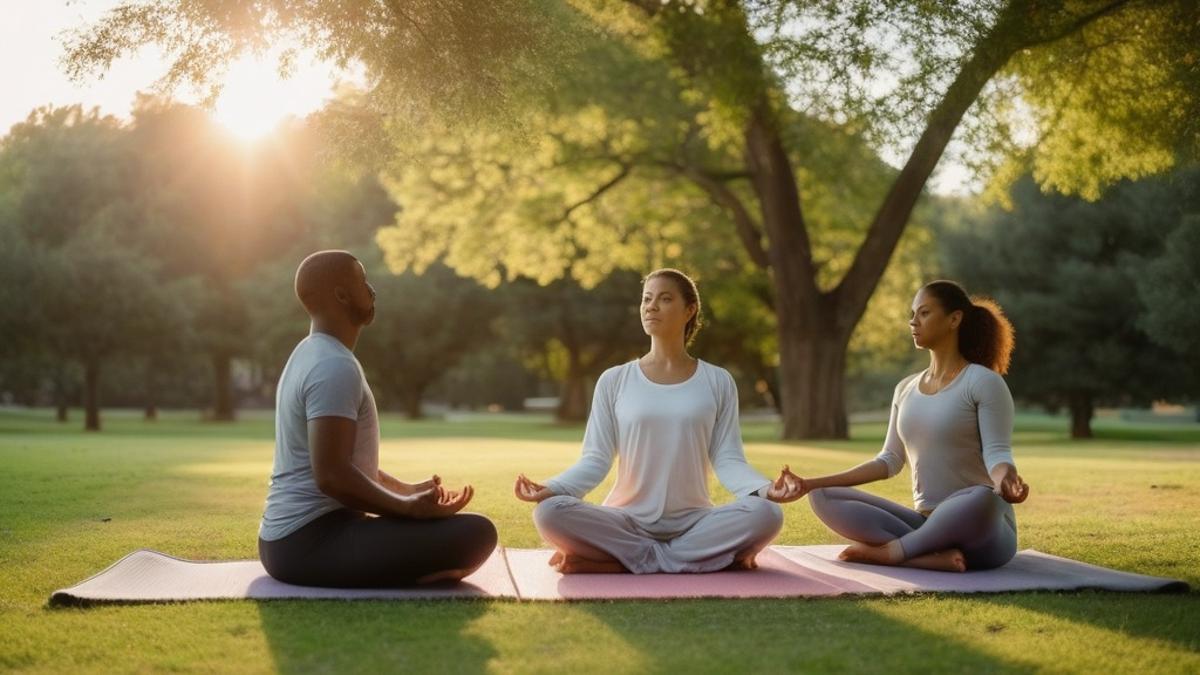
Understanding exercise and sleep quality starts with recognizing how different types of movement affect the body’s rest cycles. Below is a breakdown of the most relevant strategies linking physical activity and sleep, showing how each approach can help you improve sleep with exercise and unlock deeper, more restorative nights.
| Category | Impact on Sleep |
|---|---|
| Aerobic Exercise | Boosts deep sleep by regulating circadian rhythms and reducing stress hormones. |
| Strength Training | Improves sleep efficiency and reduces nighttime awakenings through muscle recovery demands. |
| Workout Timing | Morning or afternoon sessions are among the best workouts for better sleep, avoiding late-night stimulation. |
| Yoga and Stretching | Lowers cortisol levels, easing the exercise sleep connection toward relaxation before bedtime. |
| Consistency | Regular routines amplify the benefits of exercise for sleep, stabilizing sleep-wake patterns long term. |
LEARN MORE: Click here to discover the benefits of a good sleep routine
Walk into any gym in America at 5:30 a.m. and you’ll find a familiar crowd: the early risers who swear by their pre-dawn sweat sessions as the secret to unlocking better sleep. Head back to that same gym at 8 p.m., and you’ll find an equally devoted crowd insisting their evening routine works just as well. Who’s right? The science suggests both camps have a point, but the details matter far more than the debate itself.
Morning Versus Evening Workouts
Morning exercise has long been championed as the gold standard for improving sleep with exercise. A study published by the National Sleep Foundation found that people who worked out between 7 and 9 a.m. spent more time in deep, slow-wave sleep compared to evening exercisers. This makes sense biologically—morning activity aligns with your body’s natural cortisol rhythm, helping reinforce a healthy sleep-wake cycle. Cortisol naturally peaks shortly after waking, and exercising during this window essentially works with your body’s chemistry rather than against it.
But evening workouts aren’t the sleep saboteurs they’re often made out to be. Recent research from the American Academy of Sleep Medicine suggests that moderate-intensity exercise completed at least 90 minutes before bedtime doesn’t significantly disrupt sleep for most healthy adults. The real problem arises with vigorous, high-intensity sessions performed too close to lights-out, which can spike adrenaline and core body temperature at exactly the wrong moment. Think of the difference between a relaxed evening yoga flow and an all-out CrossFit workout finishing at 9:45 p.m. before a 10:30 p.m. bedtime—these are two very different physiological experiences for your nervous system.
What This Means for Shift Workers and Night Owls
For the millions of Americans working irregular schedules—nurses, truck drivers, restaurant staff—rigid morning-exercise advice simply doesn’t apply. What matters more is consistency relative to your own sleep window, not the clock on the wall. Finishing a workout three hours before your personal bedtime, whether that’s 11 p.m. or 7 a.m., tends to preserve the exercise sleep connection regardless of shift. A hospital nurse working overnight rotations, for example, might get better sleep results from a strength session immediately after clocking out at 7 a.m., timed to align with their own version of “evening.”
The Role of Outdoor Activity and Natural Light
Exercising outdoors adds another layer to the physical activity and sleep relationship. Sunlight exposure during a morning jog or afternoon bike ride helps anchor your circadian rhythm far more effectively than indoor treadmill sessions under fluorescent lighting. This isn’t just anecdotal—natural light contains a spectrum and intensity that indoor lighting simply cannot replicate, even with the brightest gym setup.
Data from the University of Colorado Boulder found that participants who exercised outdoors experienced melatonin release nearly 30 minutes earlier than those who trained exclusively indoors. That earlier melatonin onset translated into falling asleep faster and reporting fewer nighttime awakenings. For city dwellers in places like Chicago or Denver, this might mean choosing a riverside path over a basement gym whenever weather permits.
Consider a few practical ways to combine daylight and movement:
- Walking meetings: Trade a conference room for a short outdoor loop during work calls
- Weekend hikes: Longer sun exposure sessions can help reset a disrupted sleep schedule
- Lunchtime runs: Midday sunlight exposure combined with cardio reinforces alertness now and sleepiness later
Overtraining and Its Effect on Rest
There’s a threshold where more exercise stops helping and starts hurting. Sleep researchers have identified a phenomenon called exercise-induced insomnia, most common among endurance athletes training for marathons or triathlons. Excessive training volume without adequate recovery elevates cortisol levels chronically, which can fragment sleep architecture and reduce time spent in restorative REM cycles. Runners preparing for events like the Boston Marathon or Chicago Marathon sometimes report this paradox firsthand: the more miles they log, the worse their sleep becomes.
This doesn’t mean ambitious training goals are incompatible with good rest. It means recovery days deserve the same respect as training days. Athletes who scheduled at least one full rest day weekly reported significantly better sleep quality scores than those training seven days straight, according to data compiled from collegiate athletic programs across the country. The takeaway isn’t to train less ambitiously, but to treat rest as a scheduled part of the plan rather than an afterthought squeezed in when time allows.
Bringing It All Together: Building Your Personal Exercise-Sleep Strategy
The relationship between exercise and sleep quality isn’t governed by a single rule that works for everyone. As this article has shown, timing matters, but so does intensity, environment, and consistency. A 5:30 a.m. runner in Denver and a night-shift nurse in Chicago can both reap the benefits of exercise for sleep—they just need different playbooks tailored to their own biological clocks.
What emerges from the research isn’t a rigid formula but a set of flexible principles. Morning workouts tend to reinforce circadian rhythms, evening sessions can work if kept moderate and timed 90 minutes before bed, and outdoor movement adds a light-exposure advantage that indoor gyms simply can’t replicate. Meanwhile, overtraining reminds us that more isn’t always better; recovery is a legitimate part of any strategy to improve sleep with exercise.
For readers ready to apply these lessons, consider starting small:
- Track your patterns: Note workout timing alongside sleep quality for two weeks to spot personal trends
- Prioritize outdoor sessions: Even 20 minutes of daylight activity can shift melatonin timing
- Schedule rest deliberately: Treat recovery days as essential, not optional
Ultimately, the exercise sleep connection is less about chasing a perfect routine and more about paying attention to how your own body responds. The best workouts for better sleep are the ones you can sustain consistently, in a way that respects both your training goals and your need for genuine rest. As sleep science continues to evolve, one thing remains clear: movement and rest aren’t competing priorities—they’re partners working toward the same goal.
Frequently Asked Questions
How does regular exercise actually improve sleep quality?
Exercise increases time spent in deep, slow-wave sleep, which is the most physically restorative sleep stage. It also helps regulate your circadian rhythm and reduces stress hormones like cortisol that can interfere with falling and staying asleep. Over time, consistent physical activity leads to fewer nighttime awakenings and more efficient sleep overall.
What time of day is best to exercise for better sleep?
Morning or afternoon workouts tend to have the most positive effect on sleep quality because they align with your body’s natural cortisol and temperature rhythms. Exercising in these windows can also boost alertness during the day, making you more tired by bedtime. If evenings are your only option, finishing at least 1 to 2 hours before bed is recommended.
Can exercising too close to bedtime hurt my sleep and exercise and sleep quality goals?
Yes, intense exercise within an hour of bedtime can raise your heart rate, body temperature, and adrenaline levels, making it harder to fall asleep quickly. This is especially true for high-intensity workouts like sprinting or heavy weightlifting. Lighter activities such as yoga or stretching in the evening are generally safe and can even promote relaxation.
What types of exercise are most effective for improving sleep quality?
Moderate aerobic activities like brisk walking, cycling, or swimming have strong evidence supporting improved sleep quality when done consistently. Strength training also contributes by reducing anxiety and promoting physical fatigue that supports deeper rest. A combination of both aerobic and resistance exercise, done at least 3 to 4 times a week, tends to produce the best results.
How long does it take to notice sleep improvements after starting an exercise routine?
Some people notice better sleep within a few days of starting regular exercise, especially in terms of falling asleep faster. However, more significant improvements in sleep depth and duration typically appear after 4 to 6 weeks of consistent activity. Staying consistent with your routine is key, since sporadic exercise produces less reliable results.
Does exercise help with specific sleep problems like insomnia?
Research shows that regular moderate exercise can reduce symptoms of chronic insomnia by decreasing the time it takes to fall asleep and increasing total sleep time. It works partly by lowering anxiety and physiological arousal that often keep insomniacs awake at night. While exercise alone may not cure severe insomnia, it’s often recommended alongside other treatments like cognitive behavioral therapy for sleep.

Linda Carter
Linda Carter is a writer specializing in healthy habits and balanced living. With extensive experience helping readers build sustainable routines, she shares practical guidance on nutrition, physical activity, quality sleep, stress management, and emotional well-being. Her goal is to offer simple, accessible strategies that inspire people to care for their health and enjoy a more balanced life.