
Collaborative Writing: The Power of Group Creativity
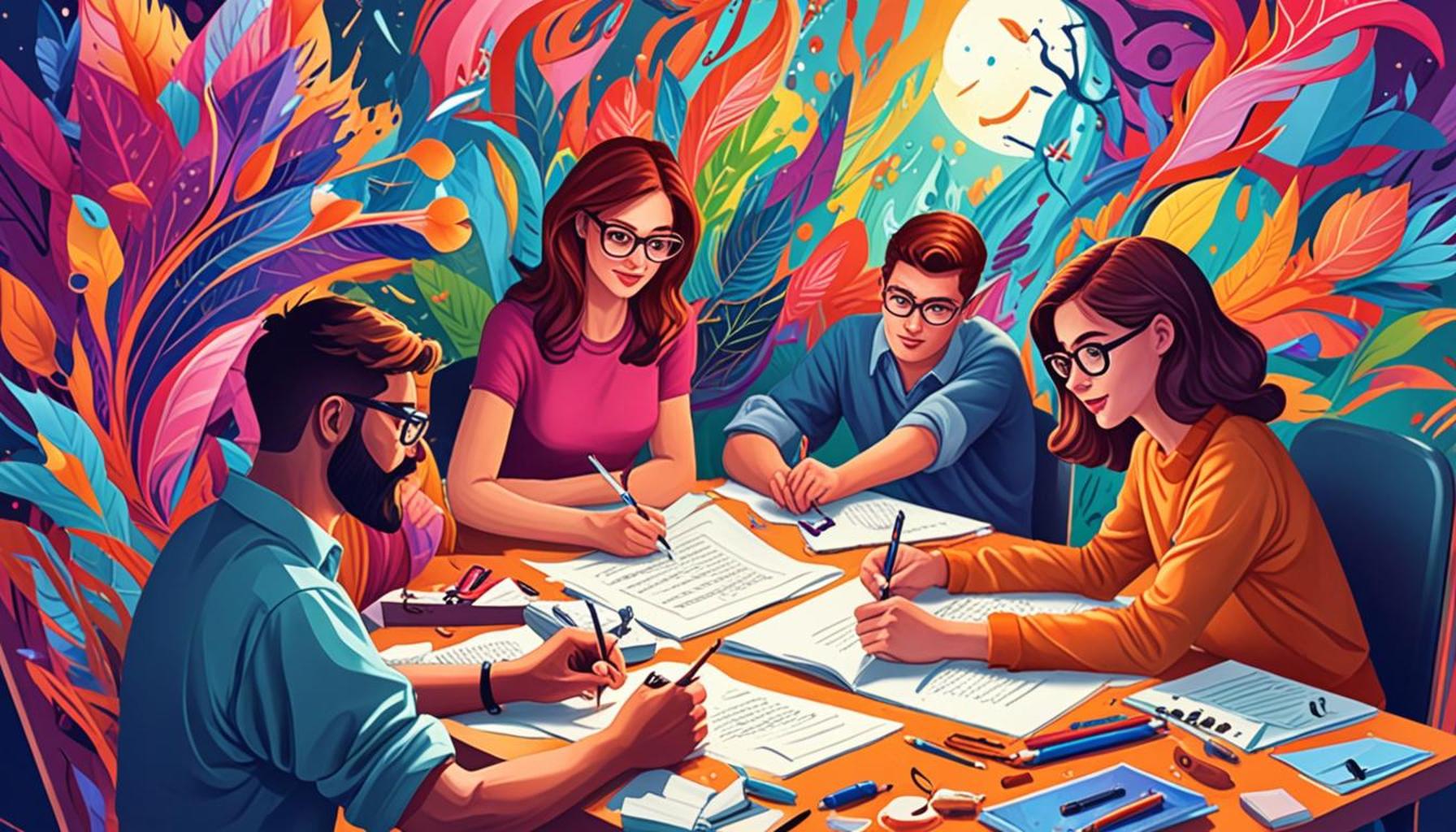
The Synergy of Ideas
In an increasingly interconnected world, the concept of collaborative writing has emerged as a powerful tool for creativity and innovation. Engaging a group of diverse minds can lead to the fusion of unique perspectives, resulting in content that resonates more deeply with audiences. When individuals come together, their shared experiences, backgrounds, and skills contribute to an enriched narrative that one solitary writer might struggle to achieve alone.
Why Collaborate?
Collaborative writing offers numerous benefits, including:
- Diverse Perspectives: A wider variety of ideas and viewpoints enhances content depth. For example, a diverse team of writers might explore a theme like mental health from different angles—cultural, psychological, and sociological—creating a more holistic narrative.
- Enhanced Creativity: Group brainstorming sessions can spark new ideas that one individual might not conceive. When writers bounce ideas off one another, they can build on concepts, leading to unexpected and innovative solutions to creative challenges.
- Shared Workload: Collaboration allows for better time management and reduced pressure on individual writers. By dividing tasks, such as research, drafting, and editing, each team member can focus on their strengths, resulting in a polished final product.
Real-World Examples
Many successful projects have harnessed the power of collaboration, such as:
- Screenwriting Teams: Films like “The Avengers” have used multiple writers to create richer narratives. The collaborative effort in screenwriting leads to a tapestry of characters and subplots that engage audiences on multiple levels.
- Academic Research: Scholars often co-author papers to combine expertise and broaden research findings. A collaborative research effort can yield comprehensive literature reviews that cover extensive aspects of a topic, providing depth that isolated studies may miss.
- Blogs and Online Communities: Websites that thrive on guest posts and shared content empower voices from various backgrounds. Platforms like Medium or social media forums allow writers from diverse fields to come together, enhancing the richness of shared content while also cultivating a loyal readership.
As the fabric of writing continues to evolve, collaborative efforts yield not only compelling stories but also foster a sense of community and shared purpose. The rise of digital communication tools—such as Google Docs and Slack—further promotes collaborative practices, making it easier than ever for individuals to contribute their unique insights.
Let’s delve deeper into the mechanism of group creativity and explore how collaboration can revolutionize the writing landscape. By understanding the principles behind successful teamwork and the emotional dynamics at play, writers can harness the full potential of collaboration to elevate their craft. Whether in the realms of literature, academia, or digital content creation, the synergy of ideas continues to shape the narrative of our collective experience, proving time and again that great writing often emerges from great collaboration.
LEARN MORE: Click here to delve deeper
Unlocking Creative Potential
Understanding the dynamics of collaborative writing requires a glimpse into how collaborative efforts can not only enhance creativity but also streamline the writing process. Group creativity thrives on the interactions among team members, sparking innovative ideas and approaches that can surprise even the most seasoned writers. But what underlies this creative explosion during collaborative writing? Let’s investigate the factors that contribute to the blossoming of ideas within a group environment.
The Role of Collective Brainstorming
One of the most significant aspects of collaborative writing is the power of brainstorming. This technique allows team members to freely exchange ideas without judgment, fostering an environment conducive to creativity. During these sessions, *wild* and perhaps seemingly unrelated ideas can lead to groundbreaking concepts. The philosophy behind brainstorming is simple: the more ideas shared, the greater the chances of striking gold. Here’s why collective brainstorming is so effective:
- Freedom to Explore: In a collaborative setting, individuals can explore imaginative paths without the fear of rejection. This freedom often leads to inventive and multifaceted ideas that wouldn’t typically surface in rigid, solitary writing conditions.
- Building on Ideas: One idea can often ignite a flurry of new concepts. Writers can enhance and modify suggestions from others, resulting in richer content than what singular contributors might produce. The process cultivates a sense of ownership and investment across the group.
- Encouraging Participation: Collaborative writing encourages all team members to participate, leading to a chorus of voices. This multiplicity of perspectives helps eliminate bias and can surface ideas that represent a wider demographic range.
The Importance of Communication
Effective communication is the cornerstone of successful collaboration. Writers must articulate their thoughts clearly and listen attentively to the input of others. Tools such as video conferencing platforms, chat applications, and shared document environments can facilitate smooth interactions, allowing teams to discuss ideas in real time. Furthermore, establishing guidelines on communication etiquette can foster an environment of respect, where all members feel valued. When open dialogue is encouraged, group members are more likely to share their honest opinions, leading to a greater chance of uncovering extraordinary insights.
Another vital communication aspect is feedback. In collaborative writing, constructive criticism should be viewed as an essential component rather than something to dread. This feedback loop enables writers to revise their work with the insights of others, ultimately leading to a refined, compelling narrative that benefits from all contributors’ strengths.
As we peel back the layers of collaborative writing, we see that the collective intelligence of a group can give rise to creativity that is not only innovative but resonates deeply with audiences. In the age of digital communication, writers have more opportunities than ever to hone their craft in unison, proving that together, we can achieve more than we could alone. The commitment to collaboration can reshape narratives, both in literature and other creative fields.
| Advantages | Description |
|---|---|
| Enhanced Creativity | Collaborative writing fosters a melting pot of ideas, leading to more innovative solutions than individual efforts. Writers draw on each other’s strengths, unleashing their full creative potential. |
| Diverse Perspectives | Involving multiple voices introduces varied viewpoints, which enrich the content. This diversity ensures that a wider audience can relate to and engage with the work. |
When discussing the advantages of collaborative writing, it becomes evident that the synergy created among multiple authors can produce outcomes that far exceed individual capabilities. The creative process is inherently social, and when writers partake in brainstorming sessions, exchange insights or critique each other’s work, they ignite a spark of inspiration that might otherwise remain dormant. Furthermore, the breadth of experiences and knowledge each participant brings to the table allows for a comprehensive approach to problem-solving. Creative blocks are often dismantled through collaboration, as the interactive environment not only promotes brainstorming but also cultivates a sense of accountability. Each contributor feels a shared responsibility to propel the project forward, leading to elevated productivity levels. By embracing group creativity, teams are able to generate original narratives and unique content that resonates with diverse audiences. The expanded canvas of ideas often leads to unexpected breakthroughs, making collaborative writing an invaluable asset in today’s world of content creation. This process exemplifies the adage that “together we are stronger,” underscoring the undeniable power of collective effort.
DISCOVER MORE: Click here to dive deeper
Harnessing Diverse Perspectives
The beauty of collaborative writing lies in the melting pot of perspectives and backgrounds that each writer brings to the table. This diversity is not merely a point of interest; it serves as a powerful catalyst for creativity and innovation. In the United States, where cultural, social, and educational experiences are often vastly different, the plurality of voices that emerges during collaborative efforts can strengthen narratives and deepen the impact of the written word.
Cultural and Experiential Diversity
Writers from varied backgrounds contribute unique viewpoints, enriching the storytelling process. Each writer’s cultural lens offers insight that others might overlook, allowing for a more comprehensive exploration of themes. For example, collaborative writing projects like those seen in diverse urban schools have nurtured literary talent by pairing students from different ethnicities and social classes. Their combined stories resonate with authenticity, capturing a broader audience’s attention.
- Broader Horizons: By pooling experiences, writers can break down stereotypical representations and challenge preconceived notions. This leads to a more nuanced narrative that reflects reality’s complexities, resulting in literature that resonates deeply with readers.
- Fostering Empathy: Exposing oneself to the perspectives of others through collaborative writing fosters empathy. Writers become more attuned to the varied emotions and experiences of their fellow collaborators, translating into richer, more heartfelt storytelling.
Technology’s Role in Collaborative Creativity
The advances in technology have revolutionized the landscape of collaborative writing. Online platforms such as Google Docs, Microsoft Teams, and dedicated writing software enable real-time collaboration, making it easier for writers to connect regardless of geographic boundaries. This innovation erases the old limitations of logistics and scheduling, allowing teams to work fluidly across time zones—a boon for projects that draw contributors from all corners of the globe.
Data also supports how technology enhances creative collaboration. A study by the Pew Research Center reveals that 78% of U.S. adults believe technology fosters connections across different communities, ultimately leading to more inclusive narratives in collaborative works. Writers can take advantage of shared digital workspace features that allow instant feedback, track changes, and facilitate discussions—all vital for honing group creativity.
Moreover, technology enables writers to gather and analyze audience feedback in real-time. Writers can use social media and survey tools to gauge responses to their collaborative efforts, fine-tuning their projects based on collective audience insights. This loop creates a vibrant dialogue between creators and their audiences, further enriching the writing process.
Collaborative Challenges and Growth
While collaborative writing offers numerous benefits, it is not without its challenges. Differences in writing styles, personalities, and creative preferences can lead to conflict. However, learning to navigate these challenges can lead to profound personal and professional growth for each contributor. Workshops centered around teamwork and communication can provide writers with tools to resolve differences, transforming friction into a constructive force.
- Conflict Resolution Skills: Engaging in collaborative writing requires honing conflict resolution skills, teaching team members to negotiate ideas and find common ground.
- Group Dynamics: Understanding group dynamics—not only the strengths but also the weaknesses—can lead to more coherent and unified writing efforts.
As collaborative writing becomes an increasingly popular method for creating content, embracing diverse perspectives, leveraging technology, and confronting challenges are essential steps that writers must take to unlock their full creative potential. By effectively managing these aspects, they can craft stories that resonate powerfully with audiences, solidifying the transformational power of group creativity.
DISCOVER MORE: Click here to dive deeper
Conclusion
In a world where individual voices often dominate the narrative landscape, the essence of collaborative writing shines through as a transformative force that harnesses the power of collective creativity. By integrating diverse perspectives and experiences, writers not only enrich their narratives but also foster a deeper understanding of the intricacies of human experience. In the United States, where the tapestry of culture is woven from countless threads, collaborative writing opens the door to storytelling that is both inclusive and representative of varied voices.
Technology plays an indispensable role in this creative synergy, providing platforms that break down geographic barriers and promote seamless collaboration. The ability to connect instantly and receive real-time feedback is invaluable, helping teams refine their work and engage more dynamically with their audiences. This interaction forms a feedback loop that can elevate the quality of the narrative, transforming it into something that resonates deeply with readers.
Despite the challenges that come with differing writing styles and opinions, navigating these obstacles can foster significant personal and professional growth. By developing skills in conflict resolution and understanding group dynamics, writers not only enhance their craft but also contribute to a more harmonious and productive creative process.
As we continue to explore the myriad benefits of collaborative writing, it is crucial for writers to embrace the complexity and richness that teamwork brings. In doing so, they unlock not only their potential but also that of the communities they represent. This collaborative approach to storytelling is not just a method; it is a journey towards creating narratives that echo the diversity and depth of our shared human experience.