How Puzzles and Mental Challenges Can Improve Memory and Concentration in Children
Unlocking Potential through Engaging Activities
In today’s technology-driven society, where digital devices often dominate children’s leisure time, the profound impact of puzzles and mental challenges is sometimes overlooked. Engaging in these brain-teasing activities serves a dual purpose: they are not only entertaining but also essential tools for enhancing memory and concentration skills. A growing body of research indicates that such brain games are integral to cognitive development, leading to improved educational outcomes and a richer understanding of various subjects.
Puzzles and challenges are incredibly diverse, catering to a wide array of learning preferences and styles. Children can choose from numerous formats that not only keep them captivated but also foster significant developmental skills as follows:
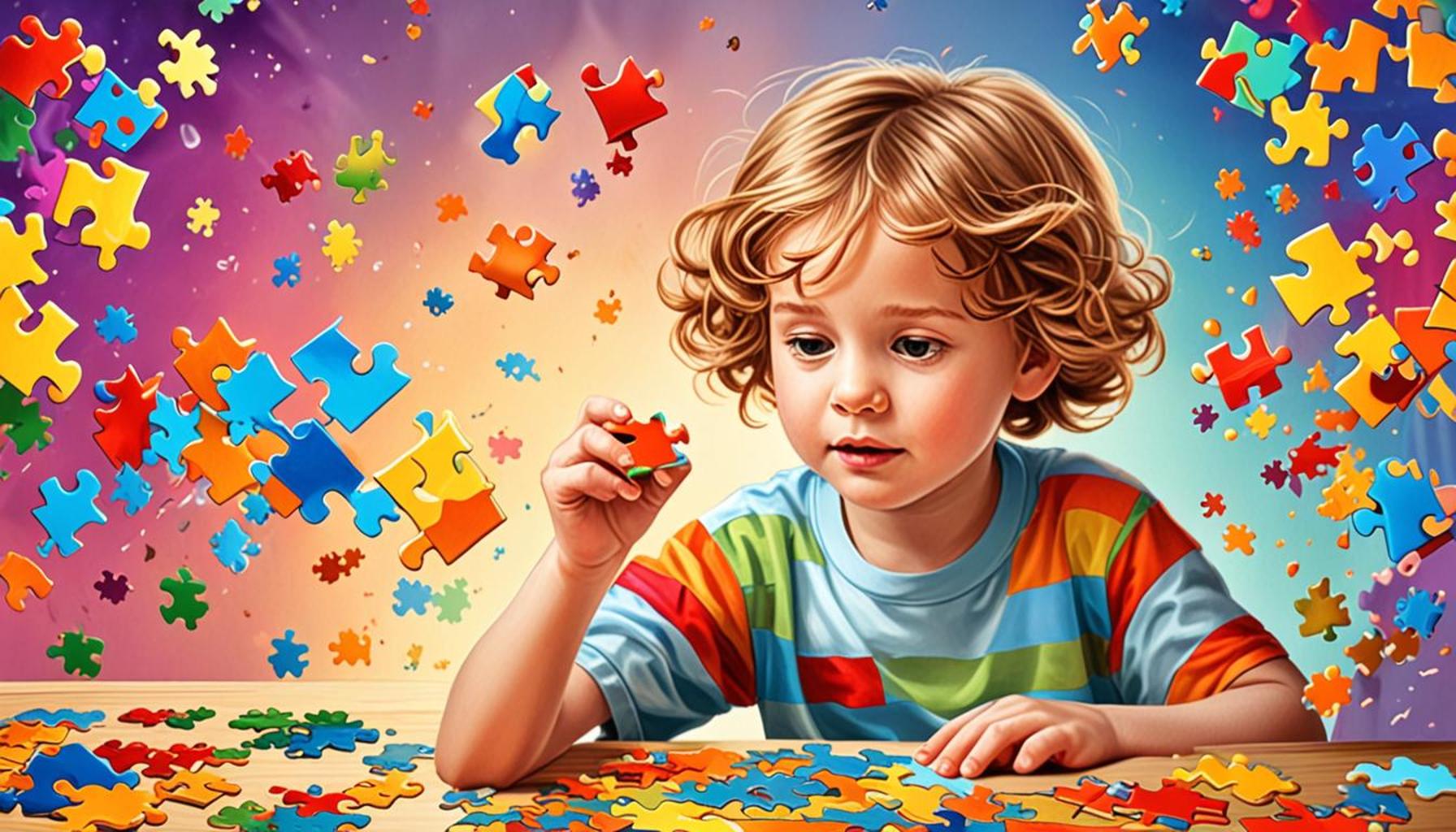
- Jigsaw puzzles – These are particularly effective in enhancing spatial reasoning and fine motor skills as children piece together various sections to form a complete picture. They can start with simpler puzzles featuring fewer pieces and increase the complexity as their skills develop, making it adaptable for various age groups.
- Sudoku and crosswords – These classic games are prime examples of how logic and vocabulary skills can intertwine. Sudoku enhances problem-solving skills and critical thinking, while crosswords contribute to vocabulary expansion and language comprehension, crucial for academic success.
- Memory games – Whether involving matching cards or digital versions, these games are designed to improve recall and information retention. By repeatedly practicing memory tasks, children can significantly strengthen their cognitive pathways and enhance their ability to remember new information.
As children engage with these mental challenges, they cultivate important life traits such as perseverance, patience, and resilience in the face of failure. Numerous studies have confirmed that consistent participation in cognitive activities leads to a multitude of benefits, notably:
- Improved attention span – Regular engagement in focused activities can help children learn to concentrate for longer periods, a skill that translates well into academic settings.
- Greater information retention – Mental exercises are shown to enhance the brain’s ability to retain and recall information, making learning new subjects more effective and enjoyable.
- Enhanced critical thinking skills – Tackling challenges requires children to analyze problems and think creatively, which ultimately fosters better decision-making abilities.
The science behind these benefits is compelling. A child’s brain is akin to a sponge, eagerly absorbing knowledge through interactive and engaging methods. Exploring the realm of puzzles and mental challenges can serve as an invaluable resource for parents seeking to enhance their child’s cognitive growth and academic performance. Beyond the immediate benefits, these activities inspire a love for learning that can last a lifetime. Thus, parents and educators are encouraged to integrate these enriching experiences into children’s daily routines, ensuring that youngsters not only enjoy themselves but are also well-prepared for future intellectual challenges.
DIVE DEEPER: Click here to discover how memory games boost cognitive skills in children
Cognitive Skills Development through Puzzles
Puzzles and mental challenges are not just fun ways to pass the time; they are powerful tools that can significantly enhance memory and concentration in children. As children engage in these activities, they stimulate various cognitive skills that are crucial for academic success and overall intellectual development. According to a study published in the journal Child Development Research, children who regularly participate in puzzle-solving activities show marked improvements in their memory retention and attention span.
One of the key ways that puzzles improve cognitive function is through the enhancement of problem-solving skills. When children encounter tasks that require them to think critically and develop strategies for completion, they learn to analyze situations and evaluate possible solutions. This multi-step process fosters better reasoning abilities that are not only applicable to puzzles but can also translate into real-life scenarios, from homework assignments to everyday challenges.
The Role of Different Types of Puzzles
Diving into the various types of puzzles, it’s essential to recognize their unique contributions to cognitive skill enhancement. Each type offers distinct benefits tailored to different areas of cognitive development:
- Logic puzzles – Engaging with these types often requires children to use deductive reasoning. Logic puzzles encourage analytical thinking, allowing children to assess information and arrive at conclusions effectively.
- Word puzzles – Crossword puzzles challenge a child’s vocabulary and comprehension skills. Engaging with these puzzles has been shown to enhance phonetic recognition and reading abilities in young learners, essential for literacy development.
- Mathematical puzzles – These require children to apply mathematical concepts in creative ways, fostering numerical fluency and encouraging an enjoyment of mathematics that can lead to a lifelong affinity for the subject.
Moreover, the benefits from such puzzles are not limited to cognitive skills alone. Children engaged in these activities also develop essential traits such as dedication and tenacity. Working meticulously on a challenging puzzle can foster a growth mindset, teaching children that perseverance pays off, especially when faced with complex problems.
The implications of these skills extend beyond the realm of academics. Improved concentration and memory are fundamental life skills, contributing to better relationships and effective communication. As children engage with puzzles, they learn to focus their attention, ignore distractions, and retain information—skills that are transferrable across all aspects of life. With compelling evidence supporting the cognitive advantages of puzzles and mental challenges, parents and educators should consider these activities a vital part of fostering a child’s development.
How Puzzles and Mental Challenges Enhance Cognitive Skills
Engaging children in puzzles and mental challenges significantly contributes to their cognitive development. Children who regularly participate in activities such as jigsaw puzzles, brain teasers, and problem-solving games show noticeable improvements in both memory and concentration. These activities require them to focus intently on problem-solving, enhancing their ability to concentrate on tasks.According to recent studies, solving puzzles can improve neural connections in the brain. As children navigate through complex challenges, they are exercising their brain, fostering new synaptic formations which are essential for memory retention. Not only does this boost their memory skills, but it also enhances their ability to retrieve information when needed.Moreover, participating in mental challenges has been shown to have long-term benefits. Regular cognitive engagement at a young age correlates with improved academic performance later. Children who tackle varied types of puzzles develop critical thinking and logical reasoning skills. Consequently, this ability transcends the realm of simply completing games and extends into their academic pursuits, providing them with a framework to approach complex subjects like math and science with confidence.Additionally, as children solve puzzles, they often work collaboratively, which promotes social skills alongside cognitive improvement. Group problem-solving fosters communication and teamwork, reinforcing the notion that learning can be a fun and shared experience. This social aspect is crucial because it not only sharpens their minds but also builds emotional intelligence.In conclusion, introducing children to puzzles and mental challenges is more than just a pastime; it is an investment in their cognitive future. These activities equip them with essential tools for successful learning and development, all while engaging them in enjoyable and stimulating ways. As parents, educators, and caregivers, encouraging children to take on these challenges can yield significant cognitive benefits that will serve them well throughout their educational journey and beyond.
DISCOVER MORE: Click here to boost your memory
How Puzzles Foster Social Interaction and Teamwork
While primarily seen as solitary activities, puzzles and mental challenges can also serve as effective tools for fostering social skills and encouraging teamwork among children. Group puzzle-solving activities create opportunities for children to collaborate, communicate, and learn from one another. Engaging in puzzles in a social setting not only enhances their cognitive abilities but also helps children develop important interpersonal skills that are critical in today’s interconnected world.
When children work together on a puzzle, they must convey their thoughts and ideas clearly while also being receptive to feedback from their peers. This encourages active listening and negotiation skills. For instance, during a group activity, one child may have a unique perspective on approaching a tricky part of the puzzle, prompting discussions that can lead to a collaborative solution. Such interactions teach children how to respect differing opinions and work towards common goals, reinforcing essential teamwork abilities.
The Impact of Digital Puzzles and Apps
In today’s technological age, digital puzzles and apps have emerged as popular tools to enhance memory and concentration in children. Many educational apps are specifically designed to present mental challenges that keep children engaged while simultaneously developing their cognitive skills. These platforms often feature colorful graphics and interactive elements that attract children’s attention, making learning enjoyable.
Research indicates that engaging with digital puzzles can especially benefit children with attention deficit disorders or those struggling to concentrate. For example, an app designed to train working memory through a series of engaging challenges helps children focus, while their parents observe noticeable improvements in their ability to stay on task in both academic settings and daily routines.
- Memory games – Apps featuring memory games challenge children to remember the locations of tiles or images, enhancing their recall and concentration.
- Logic games – Interactive logic puzzles presented in app form often introduce competitive elements, allowing children to test their problem-solving abilities while learning from their mistakes.
- Story-driven puzzles – These involve solving puzzles within the context of a narrative, which helps children practice comprehension skills and engage with characters, further enhancing their ability to focus.
Moreover, puzzles and mental challenges can also have a positive impact on emotional well-being. Children often experience a sense of achievement when they complete a puzzle, which can boost their self-esteem and motivation. This positive reinforcement encourages them to tackle even more challenging tasks, underscoring the importance of maintaining a growth mindset throughout their educational journey.
As families increasingly embrace activities that foster both cognitive growth and social connection, puzzles and mental challenges remain a timeless blend of education and entertainment. With a multitude of options available—ranging from traditional board games to innovative digital platforms—puzzles present a versatile approach to enhancing memory and concentration skills in children while also nourishing their social and emotional development.
DIVE DEEPER: Click here to enhance your problem-solving skills
Conclusion: Unlocking Potential Through Puzzles
Incorporating puzzles and mental challenges into children’s daily activities serves as an effective means to foster not only cognitive development but also emotional and social growth. These engaging tools are instrumental in improving memory and concentration, as children are challenged to think strategically and find creative solutions. The interactive nature of puzzles promotes an environment where children can thrive academically, in addition to nurturing their ability to collaborate and communicate effectively with others.
Furthermore, the rise of digital puzzles and educational apps adds a modern twist, creating opportunities for children to engage in focused learning experiences that are both enjoyable and beneficial. Such resources can particularly aid children who struggle with attention-related challenges, providing tailored approaches that keep them motivated and interested.
Ultimately, embracing puzzles and mental challenges as part of a child’s routine not only enhances their cognitive skills but also leads to improved emotional wellbeing and the development of essential social competencies. As parents and educators, fostering a love for puzzles can create enriching experiences that empower children, preparing them for the complexities of their educational journeys and future lives. By viewing these activities as essential tools for holistic development, we can unlock the immense potential within each child, helping them to thrive in a rapidly changing world.