The Impact of Puzzles on Memory Retention in Older Adults
The Cognitive Benefits of Puzzles: A Deeper Dive
As we navigate through the various stages of life, our cognitive health becomes a top priority. In an era where mental agility is increasingly required, finding engaging and effective ways to enhance brain function is critical. A surprisingly enjoyable path to achieving this is through the use of puzzles. Puzzles not only entertain but have also been shown to possess substantial benefits for memory retention and overall cognitive function, particularly among older adults.
Numerous studies have demonstrated that regular puzzle-solving can:
- Enhance problem-solving skills. By challenging the brain to think critically and creatively, puzzles encourage a deeper understanding of how to approach complex issues.
- Improve memory recall. The process of solving puzzles requires individuals to retrieve information from memory, thereby strengthening neural connections and improving recall abilities.
- Delay the onset of cognitive decline. Engaging regularly in mentally stimulating activities, such as puzzles, has been linked to a reduced risk of developing conditions like Alzheimer’s disease and dementia.
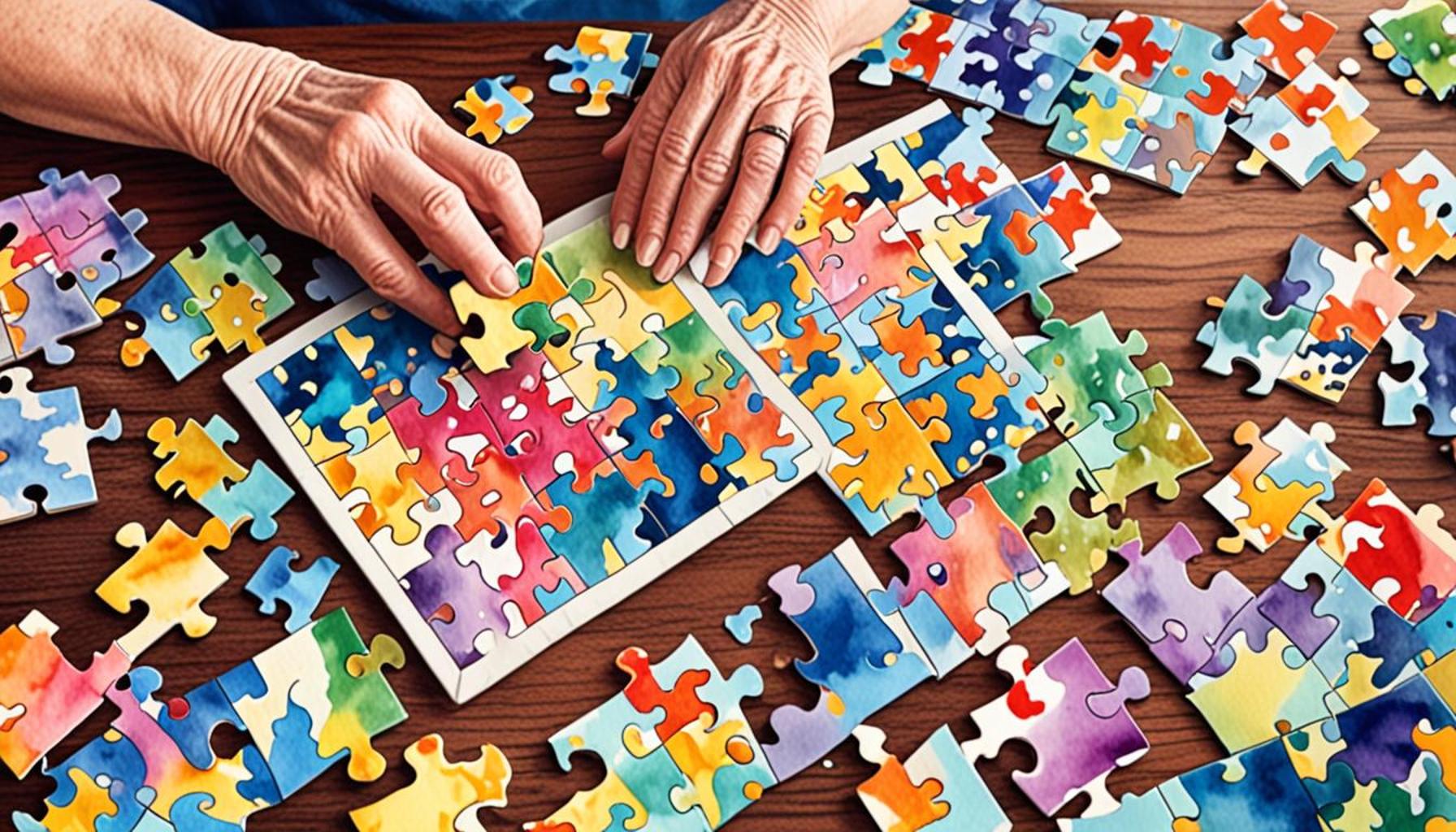
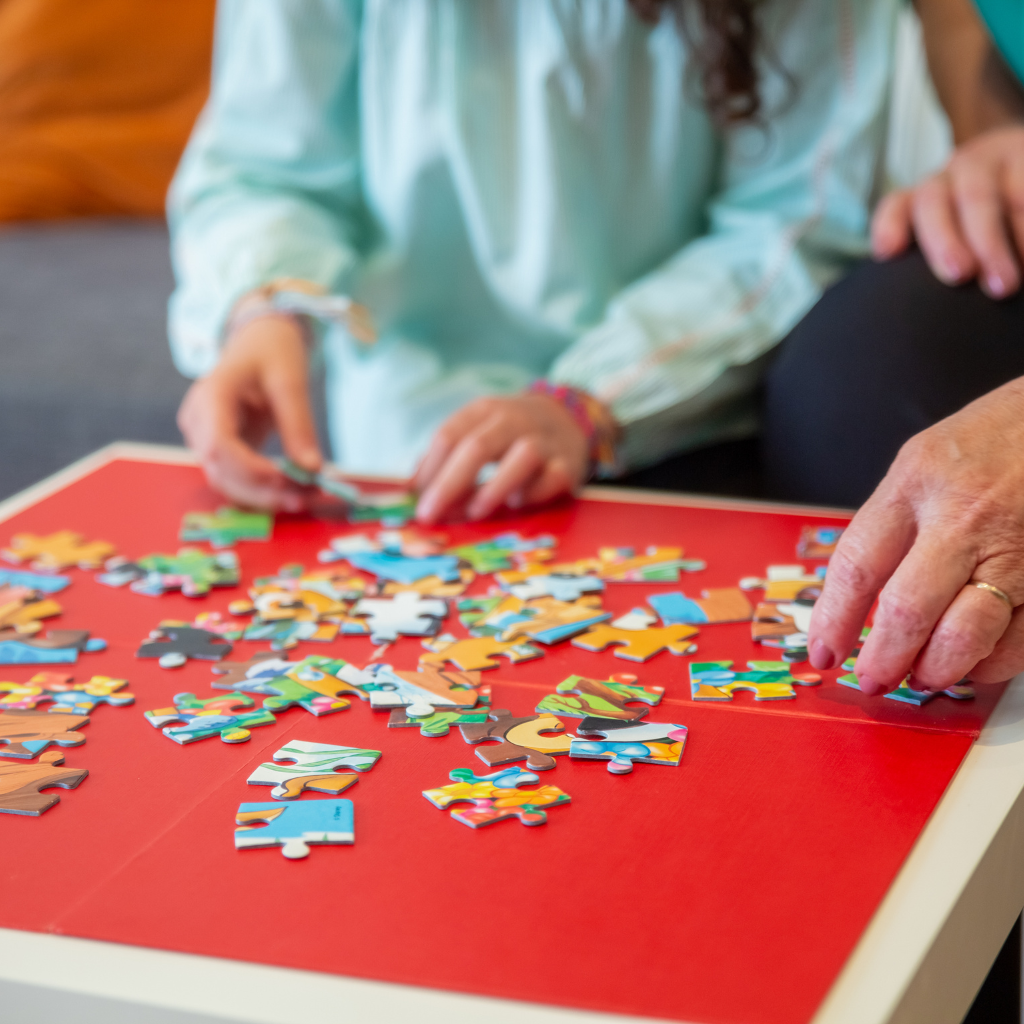
For many seniors, puzzles are not just an enjoyable pastime but a crucial component of their cognitive wellness regimen. Reports indicate that older adults who regularly engage in puzzles exhibit improved cognitive performance over those who do not partake in these mental exercises. For example, crossword puzzles provide a linguistic challenge by requiring users to think critically about vocabulary and word associations, activating areas of the brain associated with language processing. Likewise, jigsaw puzzles bolster visual-spatial skills as participants must visualize how pieces fit together, helping maintain an agile mind.
Another popular choice, Sudoku, sharpens logical reasoning and critical thinking skills, greatly contributing to mental flexibility. Each of these puzzles offers a unique set of challenges that exercises different cognitive faculties, creating a well-rounded approach to brain health.
Understanding the mechanisms through which puzzles enhance brain function can lead to tailored strategies for cognitive wellness. For older adults looking to optimize their mental sharpness, incorporating puzzles into their routine may be an effective strategy. This article explores the science behind these enriching mental exercises, encouraging individuals to investigate further how this entertaining hobby may hold the key to a sharper, healthier mind.
DISCOVER MORE: Click here to boost your memory with brain games
Unlocking the Benefits of Puzzles for Memory Retention
Puzzles are more than mere entertainment; they serve as a powerful tool for maintaining and enhancing memory retention in older adults. Engaging in puzzle-solving activities prompts the brain to work in dynamic ways, activating multiple cognitive processes. For instance, research has shown that crosswords, jigsaw puzzles, and Sudoku can lead to significant improvements in memory function, especially as we age.
One of the primary reasons puzzles are effective is their capacity to stimulate various areas of the brain. When older adults engage in puzzles, they often employ retrieval strategies that require searching for information stored in long-term memory. This retrieval process not only strengthens neural pathways but also promotes better memory recall. Studies have indicated that individuals who regularly solve puzzles may see improvements in their ability to remember names, faces, and other essential details.
To further illustrate the cognitive impact of puzzles, consider the following benefits:
- Enhancement of Cognitive Flexibility: Working on a puzzle requires an ability to think flexibly, as solvers must adapt to changing information and perspectives. This flexibility is essential when it comes to problem-solving, both in everyday scenarios and in more complex academic or occupational settings.
- Activation of Memory and Cognitive Processes: The act of fitting puzzle pieces together or coming up with answers to crossword clues engages several memory processes—short-term, working, and long-term—leading to notable gains in memory strength.
- Social Interaction Benefits: Many older adults enjoy completing puzzles with friends or family, adding an element of social interaction that also supports cognitive health. Collaborative puzzle-solving fosters discussion and shared memories, which can further enhance memory retention.
The cumulative evidence supporting the cognitive benefits of puzzles, particularly concerning memory retention, cannot be understated. A study from the University of Exeter reported that older adults who engaged with puzzles at least two to three times a week experienced slower declines in cognitive abilities compared to their less-engaged peers. This underscores the significance of incorporating puzzles into daily routines.
Additionally, modern technology has made puzzles more accessible than ever. Numerous apps and online platforms offer a plethora of puzzle types tailored for various skill levels. This ease of access encourages older adults to explore different forms of puzzles, further diversifying their approaches to cognitive stimulation. From traditional crossword puzzles to digital brain games, the options are vast, providing something for everyone.
The implications of these findings are substantial, as they suggest that integrating puzzles into the daily lives of older adults can serve as a proactive measure against memory loss and cognitive decline. By embracing this enjoyable pastime, seniors not only entertain themselves but may also secure their cognitive well-being, paving the way for a sharper and healthier mind as they age.
| Advantages | Details |
|---|---|
| Cognitive Engagement | Puzzles stimulate the brain, requiring problem-solving and critical thinking. |
| Improved Memory | Regular engagement with puzzles can enhance the ability to remember information over time. |
| Social Interaction | Participating in group puzzle activities promotes interaction and communication among peers. |
| Stress Reduction | Engaging in puzzles can act as a calming activity, reducing anxiety levels. |
| Enhanced Focus | Puzzles require concentration, which helps improve attention span and focus over time. |
The impact of puzzles on memory retention in older adults cannot be overstated. Studies reveal that older adults who regularly engage with puzzles experience significantly slower cognitive decline. This cognitive engagement increases brain plasticity, enabling better memory processing and retention. Furthermore, the benefits extend beyond individual performance; puzzles often promote social engagement when done in groups, contributing positively to mental health. Social interaction is a critical factor in maintaining mental acuity in older adults, making group puzzle activities an ideal avenue for cognitive and social well-being. Moreover, puzzles serve as an excellent stress relief, offering a focused activity during moments of anxiety or boredom. As older adults concentrate on piecing together fragments to form complete images, they inadvertently enhance their focus and sharpen their memory recall. Such activities become not merely a beautiful pastime but a vital tool in combating age-related cognitive challenges. To uncover more profound insights on this subject, exploring scientific studies linking puzzles and cognitive improvement is encouraged.
DISCOVER MORE: Click here to learn how puzzles can boost your mental health
Exploring the Depth of Cognitive Benefits Through Puzzles
As we delve deeper into the connection between puzzles and memory retention in older adults, it becomes clear that the benefits extend far beyond the immediate feeling of accomplishment that comes with completing a challenging task. Engaging in puzzles also plays a pivotal role in enhancing overall brain health, combating feelings of loneliness, and fostering a sense of purpose among seniors.
A significant yet often overlooked benefit of puzzle-solving is its ability to boost the neuroplasticity of the brain. Neuroplasticity refers to the brain’s ability to reorganize itself by forming new neural connections throughout life. This adaptability is particularly crucial as we age, given the natural decline in cognitive functions. Research published in the Journal of Aging Research suggests that those who regularly engage in activities like puzzles experience increased neurogenesis, which is the process of generating new neurons. This process is vital for maintaining healthy cognitive functions, including memory retention.
In addition to neuroplasticity, solving puzzles is also associated with reducing stress and improving mental well-being. Engaging in leisure activities such as puzzles can lower levels of cortisol, the body’s primary stress hormone. A relaxed state of mind is conducive to better memory retention, as chronic stress is known to impair cognitive functions. The calming effects of slipping into a puzzle can transform the experience into a meditative act, encouraging mindfulness that helps older adults focus and retain information more effectively.
Moreover, diverse forms of puzzles cater to various interests and skill levels, promoting continuous engagement. Jigsaw puzzles, for example, can improve spatial reasoning—a skill linked to memory retention. They require solvers to visualize and manipulate pieces in their minds, which strengthens both spatial and visual memory. Similarly, crossword puzzles not only enrich vocabulary but also enhance verbal memory through contextual learning, linking words to their meanings, and associating them with different concepts.
Furthermore, reminiscing becomes intertwined with puzzle-solving, particularly for older adults who might benefit from the cognitive advantages of nostalgia. When engaged in a puzzle, older adults often recall personal experiences or engage in discussions about past events, creating a rich tapestry of memory that reinforces long-term retention. A study by The National Academy of Sciences found that reminiscing about significant life events during puzzle-solving activities can enhance memory retention by providing emotional context that helps anchor memories more firmly.
Additionally, the social aspect of puzzle-solving should not be underestimated. As noted earlier, many older adults find joy in collaborating with family or friends when solving puzzles. This collaboration fosters a sense of community and shared experience, which can have profound effects on emotional well-being and cognitive engagement. The discussions and interactions that occur when working together on a puzzle serve to stimulate the brain further, promoting a lively exchange of ideas and reinforcing memory through social connections.
In light of these enriching dimensions associated with puzzle-solving, it is evident that participation in these activities can significantly contribute to enhancing cognitive longevity for older adults. By fostering neuroplasticity, reducing stress, and providing opportunities for social interaction, puzzles act as both a mental workout and a delightful pastime, ultimately leading to better memory retention and overall cognitive health.
DISCOVER MORE: Click here to enhance your logical thinking
Conclusion: Unlocking the Potential of Puzzles for Cognitive Health
In closing, the evidence presented highlights the profound impact of puzzles on memory retention in older adults. Engaging in puzzle-solving activities not only fosters neuroplasticity and enhances cognitive resilience, but also serves as a valuable tool in easing stress and promoting emotional well-being. As we have explored, activities such as jigsaw and crossword puzzles stimulate different cognitive faculties, ensuring that older adults remain mentally active and engaged.
Moreover, the social dimension of puzzle-solving cannot be overlooked. Collaborative efforts can significantly strengthen interpersonal bonds, create shared memories, and enrich the overall experience, making puzzle play a fulfilling social activity. Importantly, as individuals engage with puzzles, they often reminisce, weaving together personal stories that bolster memory retention through emotional connections.
As older adults consider ways to combat cognitive decline, the humble puzzle emerges as a powerful ally in nurturing a vibrant and healthy mind. With the growing body of research suggesting these benefits, it becomes essential for caregivers, family members, and communities to incorporate puzzles into the daily lives of seniors, thus creating opportunities for mental stimulation and social interaction.
Ultimately, by understanding and embracing the impact of puzzles on memory retention, we pave the way for enhancing the quality of life for older adults, ensuring that they enjoy the cognitive and emotional benefits that come with engaging in this timeless pastime.