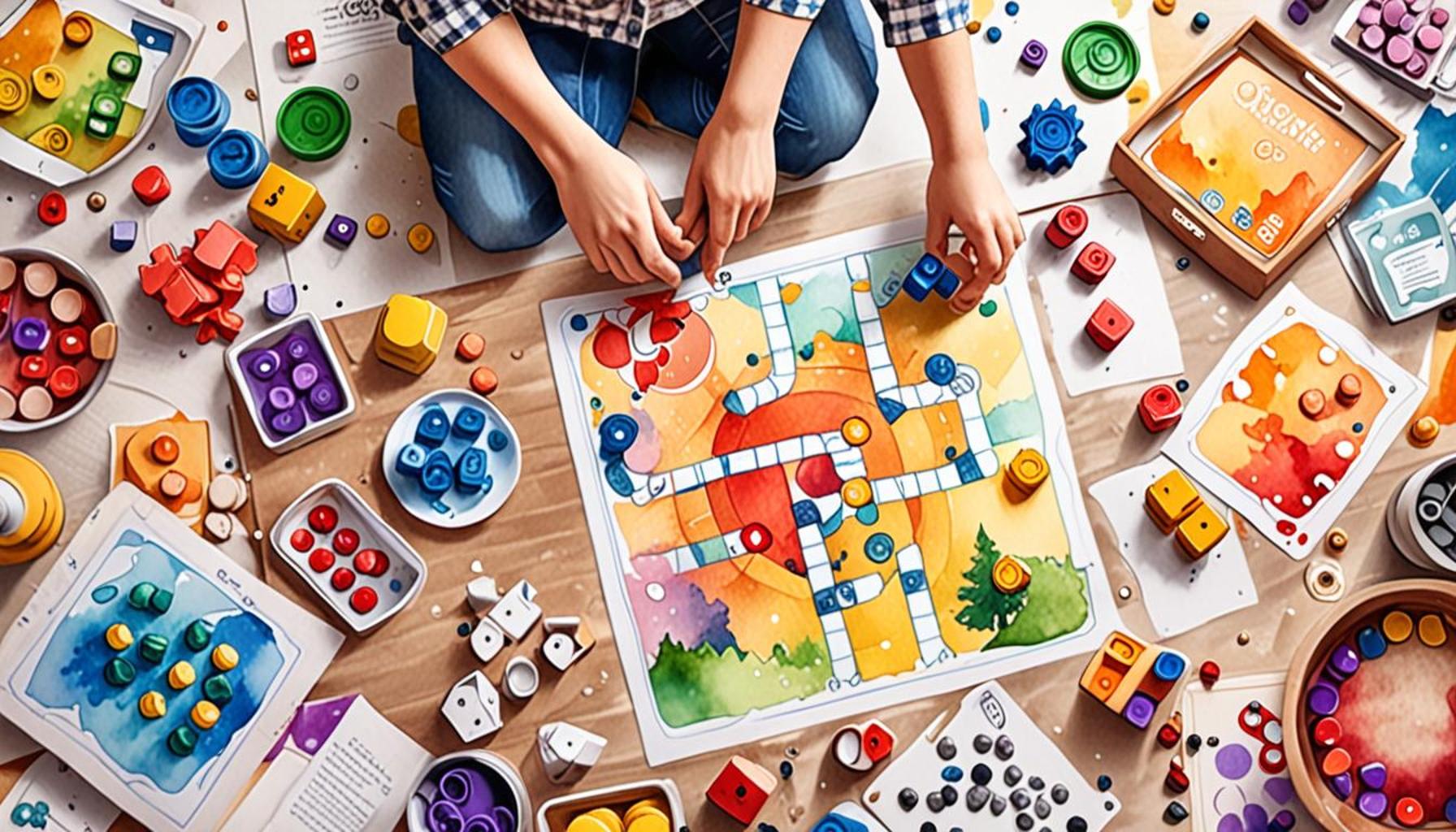
The Importance of Logical Thinking in Board Games: Challenges and Strategies
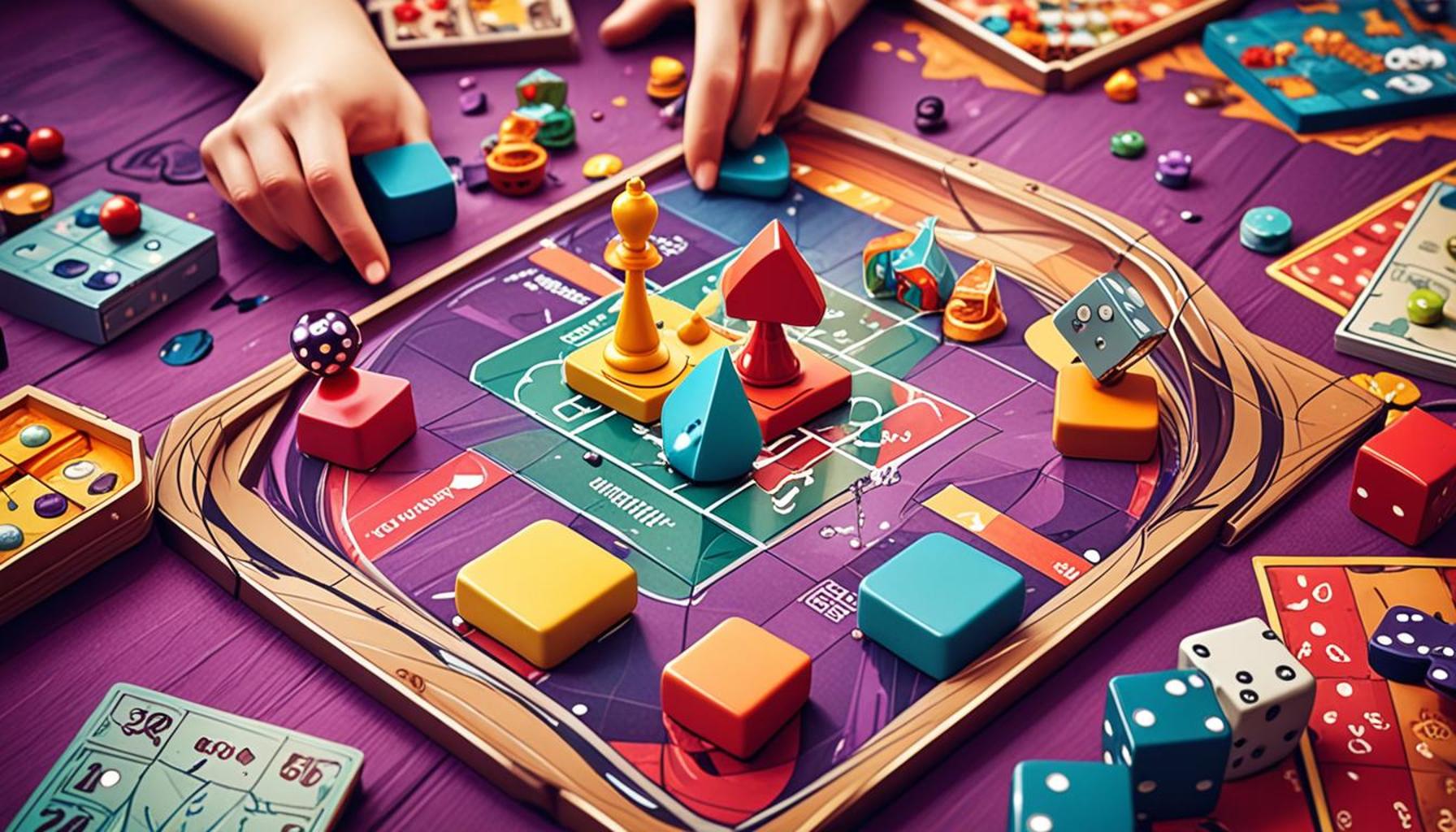
The Role of Logical Thinking in Board Games
Board games have long been cherished by people of all ages, from family game nights to competitive tournaments. Beyond the fun and laughter they inspire, these games serve as a powerful medium for developing logical thinking skills that are crucial in both gaming scenarios and everyday life. Whether players engage in a classic game of chess or navigate the intricate strategies of modern titles like “Settlers of Catan” or “Ticket to Ride,” they find themselves immersed in a world that fosters cognitive growth.
The Importance of Analyzing Situations
One of the primary aspects of logical thinking in board games is the ability to analyze situations effectively. Players are often faced with complex scenarios that require them to assess various factors, such as resource availability, opponent positioning, and potential game outcomes. For instance, in chess, each move must be thoroughly considered, weighing the risks and rewards of possible strategies. A player might anticipate that their opponent is likely to execute a particular move, allowing them to counteract appropriately. This level of analysis not only enhances gameplay but also encourages the development of critical thinking skills that players can utilize in real-world problem-solving situations.
Understanding Opponent Strategies
Another key aspect of logical thinking is the ability to anticipate opponents’ moves. Board games are often competitive, and being able to predict how opponents will react can provide a significant advantage. For example, in “Risk,” players must not only focus on their own military strategies but also closely monitor the actions of others. Understanding potential alliances, betrayals, and strategies that others may pursue is essential for successful gameplay. This foresight fosters a mindset where players become adept at evaluating risks and considering multiple outcomes, skills that are invaluable in both personal and professional contexts.
Formulating Winning Plans
Successful gameplay relies heavily on the ability to formulate plans that maximize advantages while mitigating risks. Players learn to craft multi-step strategies, often adapting their plans as the game evolves. Take the game “Pandemic” as a notable example; teamwork and forethought are essential as players strategize to combat the spread of diseases. The need for flexibility forces players to rethink their approaches in response to changing conditions, teaching them to be adaptable and resilient problem solvers.
Challenges That Enhance Cognitive Skills
- The presence of complex rules compels players to engage in careful comprehension and adaptation. Many modern board games require an in-depth understanding of mechanics, which can initially seem daunting but ultimately enhances cognitive agility.
- Dynamic environments present players with ever-evolving challenges, pushing them to continuously reassess and reformulate tactics. This adaptability fosters a mindset of ongoing learning and critical analysis.
- The unpredictability of human opponents necessitates real-time adjustments. Unlike computer-generated gameplay that follows predetermined algorithms, human players bring unique styles and unexpected moves, compelling all participants to think on their feet.
Exploring the connection between logical thinking and board games reveals a treasure trove of strategies that can elevate not just our gaming experience but also enrich our daily lives. Mastering these principles can lead to greater enjoyment and deeper insights into decision-making processes. We invite you to join us on this journey, as we delve into the challenges, strategies, and endless possibilities offered by board gaming, uncovering lessons that transcend the gaming table and apply to the myriad situations encountered in life.

DISCOVER MORE: Click here to learn how puzzles can boost your mental well-being
The Cognitive Benefits of Board Games
The world of board games is not merely about entertainment; it presents a dynamic playground for honing logical thinking skills. Engaging with these games provides players with an opportunity to delve into cognitive challenges that can sharpen their decision-making abilities. As players navigate through different scenarios and develop strategies, they are essentially participating in an intricate exercise for their minds.
Navigating Complex Scenarios
At the core of board games is the ability to navigate complex scenarios. Players frequently encounter multifaceted situations where they must evaluate various aspects, such as opponents’ strategies or the consequences of their own choices. A game like “Terraforming Mars” exemplifies this. Players must consider not only their resource management but also how their actions can alter the game environment and affect rivals’ plans. This process compels players to engage in a mental dialogue, assessing potential moves and their ramifications. Consequently, this constant stimulation enhances cognitive flexibility and critical analysis capabilities—skills that extend beyond the game board.
Enhancing Memory and Concentration
Logical thinking in board games also necessitates a strong memory and concentration. The requirement to remember rules, opponents’ previous moves, and current game conditions fosters an environment that sharpens these faculties. In games like “Catan,” keeping track of resource trades and opponent strategies is vital. Players must remain focused to recognize advantageous opportunities while also recalling crucial data about their opponents, which can significantly influence strategic planning.
Critical Thinking and Problem-Solving Skills
Moreover, board games serve as excellent platforms for enhancing critical thinking and problem-solving skills. Players frequently find themselves in situations where they must devise creative solutions to overcome obstacles presented by the game. For instance, in “Pandemic,” players collaborate to develop strategies that address the spread of diseases, prompting discussions on resource allocation and risk assessment. Such teamwork not only improves logical skills but also fosters communication and collaboration, preparing players for real-world challenges that require similar problem-solving approaches.
The Influence of Competition
Competition in board games adds another layer to the cognitive benefits. While engaging with fellow players, individuals are compelled to think strategically and adapt quickly to evolving circumstances. This interaction encourages a healthy competitive spirit, spurring players to maximize their potential. The competitive landscape of games such as “Ticket to Ride” or “Risk” allows individuals to assess their strengths and weaknesses, refining their tactical thinking abilities. This experience can translate into improved performance in various aspects of life, from academic pursuits to workplace challenges.
- Improved Focus: Sustained attention is crucial in navigating game dynamics effectively.
- Adaptability: Players learn to adjust their strategies in response to new information and unexpected moves.
- Collaborative Skills: Many board games require players to work together, enhancing teamwork and communication.
As we explore the landscape of board games further, the integration of logical thinking into gameplay not only enriches the player experience but also serves as a conduit for personal and cognitive growth. The myriad challenges faced during playtime offer valuable lessons and insights that echo throughout various facets of life.
The Impact of Logical Thinking on Strategy Development
In the realm of board games, the significance of logical thinking extends beyond mere problem-solving; it lays the groundwork for effective strategy development. When players engage in games such as chess, Settlers of Catan, or Ticket to Ride, they are not just moving pieces or collecting resources; they are employing keen analytical skills to anticipate opponents’ moves and devise counter-strategies. The capacity to analyze situations critically enables players to weigh the potential outcomes of their decisions, leading to smarter, more calculated gameplay that can turn the tide in competitive scenarios.Additionally, the ability to make logical deductions fosters adaptability in players. For instance, unexpected turns in game dynamics require players to reevaluate their strategies. This adaptability can be a decisive advantage, particularly in fast-paced games where conditions change rapidly. Players who harness logical thinking can quickly formulate new plans or pivot their tactics in response to shifting game variables, enhancing their overall performance.
Challenges Faced by Players in Logical Thinking
However, the application of logical thinking in board games is not without its challenges. Players often encounter mental blocks that hinder their ability to think critically under pressure. The stress of competition may overwhelm one’s reasoning faculties, leading to rushed judgments and poor decisions. This phenomenon illustrates the necessity of developing cognitive resilience—strengthening one’s ability to maintain composure and clarity of thought, even in high-stakes situations.Another challenge lies in the balance between intuition and logical reasoning. While instinct can sometimes guide players to swift decisions, it’s the logical framework that ensures those choices are sound. Striking this balance requires practice, as players must learn when to trust their gut feelings and when to rely on structured reasoning throughout their gameplay journey. Ultimately, enhancing logical thinking skills through board games not only enriches the player’s experience but equips individuals with valuable life skills that transcend the gaming table. As one learns to navigate complex strategies, analyze opponent behavior, and remain adaptable under pressure, these skills become applicable in numerous real-life scenarios, showcasing the profound impacts of logical thinking fostered by board games.
DIVE DEEPER: Click here to enhance your brainpower
Strategic Depth: Exploring Advanced Gameplay Tactics
As players gain experience with board games, logically structured strategies become paramount. Advanced gameplay often requires an understanding of not just the rules but also the underlying mechanics that govern the game’s dynamics. Games such as “Magic: The Gathering” and “Chess” epitomize this complexity, where each move must be meticulously calculated to anticipate an opponent’s reaction and formulate a counter-strategy. This reliance on advanced strategic thinking nurtures a player’s ability to think several moves ahead, fostering an analytical mindset that is beneficial in everyday life.
Learning from Failures
Another vital aspect of engaging with board games is the opportunity to learn from failures. Players frequently face setbacks, whether it’s being outmaneuvered in “Catan” or struggling to cooperate effectively in “Pandemic.” These moments of defeat compel players to analyze what went wrong, reevaluating their decisions and approaches. By processing failures in a constructive manner, players enhance their logical reasoning abilities and develop resilience. This experience teaches individuals that failure is not merely an endpoint but rather a stepping stone towards improved understanding and skill.
Decision-Making Under Pressure
Board games also simulate high-pressure situations that bolster decision-making skills. Time limits and competitive environments add an urgency that forces players to act quickly while remaining logical in their thinking. In games like “7 Wonders,” where players must make decisions simultaneously, the ability to prioritize actions, read opponents’ intentions, and strategize effectively becomes critical. These high-stakes scenarios mimic real-world pressures, preparing individuals to make informed decisions in their personal and professional lives when confronted with time constraints.
Building Emotional Intelligence Through Interaction
Engagement in board games promotes not only logical thinking but also enhances emotional intelligence. Understanding the motivations and behavior of opponents is essential for successful gameplay. Games that require negotiation or alliances, such as “The Resistance” or “Diplomacy,” challenge players to read social cues and adapt their strategies accordingly. This social interplay cultivates empathy and effective communication skills, enriching players’ emotional intelligence—an invaluable asset in both personal relationships and workplace environments.
- Negotiation Skills: Successful gameplay can hinge on the ability to persuade and negotiate effectively with other players.
- Long-Term Planning: Balancing immediate gains against future consequences enhances strategic foresight.
- Social Dynamics: Navigating alliances and rivalries teaches players to assess group dynamics and tailor their approaches.
As players immerse themselves in the depth of board games, they encounter not only amusing challenges but also a profound platform for enhancing logical thinking. The intricate balance between strategy, emotional intelligence, and decision-making prepares individuals to tackle diverse challenges outside the confines of the game board. Thus, the world of board games reveals itself as an elaborate tapestry woven with skills and insights that contribute significantly to cognitive development.
DON’T MISS: Click here to discover fun mind games for all ages
Conclusion: The Broad Scope of Logical Thinking in Board Games
In conclusion, the exploration of logical thinking through board games unveils a multifaceted understanding of strategy, resilience, and emotional intelligence. The challenges presented by these games serve not only as a source of entertainment but also as rigorous training grounds for crucial life skills. As players navigate complex rules and mechanics in titles like “Chess” or “Catan,” they cultivate an ability to plan several moves ahead, sharpening their analytical prowess.
Moreover, the experience of learning from failures is integral to developing a mindset that views setbacks as opportunities for growth. Each defeat compels players to dissect their decisions and refine their strategies, fostering a strong foundation of logical reasoning that extends far beyond the gaming table. In high-pressure scenarios, the ability to make quick yet rational decisions becomes vital, equipping individuals with the confidence to navigate real-world challenges.
Lastly, engaging with others in these interactive environments enhances emotional intelligence through social negotiation and understanding. Whether it’s forming alliances in “Diplomacy” or reading opponents in “The Resistance,” these experiences enrich players’ interpersonal skills, often translating into improved communication and empathy in their daily lives.
Thus, the importance of logical thinking in board games is not merely confined to gameplay; it intertwines with essential skills that prepare individuals to face the complexities of contemporary society. As this engaging realm continues to grow, the benefits of immersing oneself in these strategic challenges are undeniable and warrant exploration further. Embrace the world of board games, and unlock the potential to enhance your critical thinking and decision-making abilities.