The Influence of Cultural Traditions on Contemporary Artistic Expression: A Study of Diverse Cases
Examining the Artistic Landscape Shaped by Culture
Art cannot be viewed in isolation; it exists as a vibrant tapestry woven from the threads of cultural traditions. As we delve into contemporary artistic expression, it becomes clear how deeply rooted these traditions influence creativity and innovation. From indigenous craft to urban graffiti, cultural legacies shape modern artistry in profound ways. This dynamic relationship between art and culture not only preserves history but also fosters new forms of expression, bridging the gap between past and present.
Key Areas of Influence
- Traditional Techniques: Many contemporary artists draw on age-old methods, enriching their work with historical context. For instance, the use of batik—a traditional fabric dyeing technique from Indonesia—has seen a revival among modern textile artists in the U.S. who seek to add depth and authenticity to their designs. Similarly, the intricate wood carving techniques of indigenous tribes are being reinterpreted in modern sculptures, giving new life to forgotten artistic practices.
- Thematic Exploration: Artwork often reflects cultural narratives, exploring identity, heritage, and social issues. Consider the works of artists like Kehinde Wiley, who challenges traditional representations in portraiture by merging contemporary subjects with classic European styles. His pieces often explore themes of race and identity, prompting conversations about representation in art history.
- Hybrid Art Forms: The fusion of different cultural influences leads to exciting new genres and expressions. An excellent example is the evolution of mural art, which blends techniques from graffiti culture with those of traditional painting, creating stunning public art that engages communities and tells local stories. Notably, artists such as JR have gained recognition for their large-scale photography projects that address social issues while uniting various cultural influences.
In this article, we will examine diverse cases demonstrating these influences. Notable examples include:
- The impact of African motifs in modern fashion, where designers like Stella Jean merge bold prints and fabrics from African cultures with contemporary styles, promoting awareness and appreciation of multicultural heritage.
- The resurgence of Native American storytelling in contemporary literature, with authors like Sherman Alexie revitalizing oral traditions through novels and poetry that address current social issues while honoring their cultural roots.
- Hip-hop culture’s roots in African and Latino traditions, showcasing how music, breakdancing, and graffiti art have transformed into a global phenomenon while highlighting the significance of community and cultural expression.
Through a critical analysis of such cases, we aim to illuminate how cultural traditions not only preserve the past but also enhance the dynamic landscape of today’s art scene. This journey invites you to discover the rich interplay between heritage and innovation that defines artistic expression today. As you explore these themes, consider how your own cultural background might influence your perspective on art, sparking deeper connections and understanding of the artistry that surrounds us.
DIVE DEEPER: Click here to learn about the magic of collaboration
Reviving Heritage Through Artistic Practices
Contemporary art is not merely a reflection of modern society; it is a continuation of cultural dialogues that have existed for generations. As artists draw upon their heritage, they revive and reinterpret traditional practices, connecting the present with the past. This revival is evident across various mediums, from visual arts and fashion to literature and music, illustrating the ongoing impact of cultural traditions.
Embracing Historical Techniques
One of the most compelling aspects of contemporary artistic expression is the reinvention of historical techniques. Crafts that were once limited to specific cultures are now being embraced worldwide. Take, for example, the intricate art of ceramics, which has seen a resurgence as artists leverage ancient glazing techniques from Japan and China. This not only honors the origins of the craft but also introduces time-honored aesthetics into the context of modern artistic dialogue.
- Calligraphy: Artists are integrating traditional calligraphy from diverse cultures into visual art, using ink on canvas to create powerful statements that resonate with personal and collective histories. These works serve as a bridge between visual art and linguistic expression, highlighting the beauty of written language.
- Textile Arts: Indigenous textile artists in the United States are using traditional weaving and dyeing methods to create contemporary fashion statements. Designers such as Patricia Michaels, a member of the Taos Pueblo, have brought ancient practices to the fashion runway, showcasing garments that tell stories of identity and cultural pride.
This blending of past and present creates a dynamic conversation within the art world, allowing viewers to appreciate the depth of cultural significance behind what they see. The color palette, textures, and themes resonate with historical narratives while advocating for artistic innovation and evolution.
Exploring Identity and Social Commentary
Contemporary artists are also using their backgrounds to delve into complex themes of identity and social issues. The works of artists like Frida Kahlo, often celebrated for her deeply personal and cultural themes, continue to inspire a new generation of creators. Her ability to reflect pain, identity, and heritage invites discussions about the intersectionality of culture and modernity.
- Identity Reclamation: Many artists today are reclaiming their cultural identities through their work, often incorporating symbols, materials, and themes that reflect their heritage. For instance, the Mexican painter Rufino Tamayo celebrated pre-Columbian imagery, which resonates with contemporary discussions about cultural appropriation and authenticity.
- Social Justice Movements: Artists like Ai Weiwei inspire powerful dialogues through their art, using their platforms to comment on social injustices. His installations meld traditional Chinese craftsmanship with modern critiques, prompting audiences to reflect on issues such as human rights and governmental control.
Through these explorations, contemporary art is not only a means of personal expression but also a vehicle for cultural conversations that resonate far beyond the canvas. By engaging with historical influences, artists today create works that challenge viewers and inspire new understandings of art’s role in society.
| Cultural Influence | Artistic Expression |
|---|---|
| Traditional Folklore | Incorporation of elements like narrative storytelling, motifs, and symbolism. |
| Cultural Festivals | Showcasing diverse forms of art including music, dance, and visual arts that reflect cultural heritage. |
| Historical Context | Art influenced by historical events, struggles, and triumphs of cultural communities. |
| Postcolonial Perspectives | Exploration of identity, resistance, and adaptation in contemporary art forms. |
The interplay between cultural traditions and contemporary artistic expression is both rich and complex. Traditional folklore, for instance, serves as a foundation for many modern artworks. This includes the integration of narrative storytelling techniques and symbolic motifs that resonate deeply with cultural identities. Furthermore, cultural festivals play an essential role in this dialogue, offering a platform for diverse forms of art—ranging from music and dance to visual arts—that celebrate and preserve cultural heritage. Additionally, understanding the historical context is vital; art is often a reflection of the struggles and triumphs faced by communities, allowing for a deeper engagement with contemporary issues. Postcolonial perspectives bring another layer of depth, exploring themes of identity, resistance, and adaptation within modern art forms. This multifaceted influence showcases the dynamic relationship between tradition and innovation, prompting further inquiry into how these elements shape our perception of contemporary artistic expression.
DISCOVER MORE: Click here to dive deeper into the world of musical improvisation
Cultural Narratives as a Source of Inspiration
Artistic expression is often driven by the desire to communicate personal and collective experiences, and cultural narratives serve as a powerful source of inspiration. Artists across the globe are increasingly weaving their cultural stories into their work, fostering a deeper understanding of their individual and communal identities. This intersection of cultural heritage and contemporary expression opens new avenues for dialogue and exploration.
Storytelling Through Visual Art
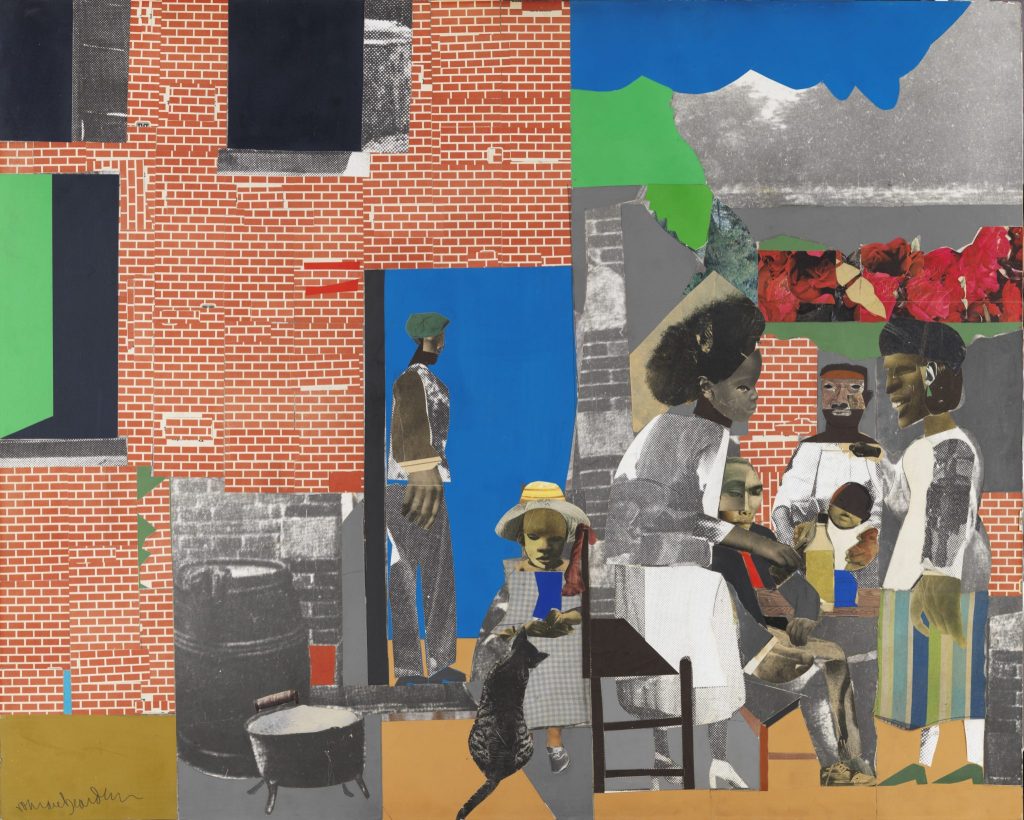
Visual storytelling has become a vital conduit for articulating cultural narratives in contemporary art. Names like Kerry James Marshall and Sarah Sze exemplify how personal and collective histories can be conveyed through innovative artistic approaches. Marshall’s vibrant paintings address African-American life in the United States, elevating the representation of Black culture in a predominantly white art world.
- Multimedia Installations: Artists such as Yayoi Kusama embrace multimedia approaches to share cultural narratives. Her installations, which often include intricate patterns and immersive environments, explore themes of infinity and self-obliteration, rooted in her Japanese background.
- Narrative Photography: Photographers like Asia Pietrzyk utilize their heritage as a central theme in their imagery. By employing storytelling techniques in their snapshots, they invite viewers to engage with culturally rich narratives that challenge stereotypes and offer deeper insight into diverse experiences.
This use of visual storytelling not only enhances the connection between the viewer and the artist’s cultural background but also fosters appreciation for the rich tapestry of global narratives present in contemporary art. As artists integrate their personal histories, they contribute to a broader understanding of humanity’s shared experiences.
Traditional Music and Its Fusion with Modern Genres
The realm of music is also undergoing a profound transformation influenced by cultural traditions. Musicians increasingly draw from their roots, fusing traditional sounds with contemporary styles to create hybrid genres that resonate with a diverse audience. This cross-pollination of musical traditions allows for a richer sonic experience while celebrating cultural heritages.
- World Music Collaborations: Artists like Yo-Yo Ma and his Silkroad Ensemble exemplify the blending of classical Western music with traditional forms from various cultures. By collaborating with musicians from different backgrounds, they create a soundscape that tells a story of cultural fusion and shared human experience.
- Urban Cultural Influences: In the United States, hip-hop artists such as Lin-Manuel Miranda integrate Latin rhythms and themes into their work, exemplifying how traditional music influences contemporary genres. This blend allows for the exploration of identity, power dynamics, and social commentary that resonates with a wide-ranging audience.
The fusion of traditional and modern musical elements not only expands the boundaries of artistic expression but also fosters cultural understanding and appreciation. By bridging generations and different cultural legacies, musicians pave the way for a more inclusive dialogue in the music industry.
As artists continue to navigate the intricate relationship between cultural traditions and contemporary practices, their work amplifies voices and stories that might otherwise remain unheard. This dynamic interplay reflects the evolving landscape of artistic expression and the significance of cultural roots in shaping our artistic futures.
DIVE DEEPER: Click here to discover more about DIY crafts
Conclusion: The Enduring Legacy of Cultural Traditions in Modern Art
In examining the intricate relationship between cultural traditions and contemporary artistic expression, it becomes evident that these influences are not merely relics of the past, but vibrant threads interwoven into the fabric of today’s art scene. As highlighted through diverse case studies, artists are increasingly drawing from their rich cultural tapestries, reshaping and redefining their narratives to resonate with a global audience.
From the visual storytelling techniques of renowned artists like Kerry James Marshall and Yayoi Kusama to the innovative fusions of traditional music and modern genres exemplified by Yo-Yo Ma and Lin-Manuel Miranda, cultural legacies are reinvigorated, expanding the potential for artistic dialogue. These creations do not only serve as vessels for individual expression; they also act as platforms for cultural exchange and understanding. Such melding of the old with the new fosters an appreciation for pluralistic identities and encourages discussions around themes of inclusion, heritage, and belonging.
As we delve deeper into the realm of contemporary art, it is crucial to acknowledge and honor the diverse cultural frameworks that continue to shape artistic practices. By engaging with these cultural traditions, both artists and audiences can illuminate the shared human experiences that connect us across borders. The ongoing exploration of cultural narratives in art invites us to reflect on our collective past, challenge misconceptions, and embrace a future that celebrates the richness of our varied histories. Therefore, it is clear that the influence of cultural traditions remains an essential element in understanding and enriching contemporary artistic expression.