Documents, Archives and Storage
ZIP, PDF, units, backups and storage planning.
Storage sounds simple until two numbers disagree. A drive labeled 1 TB shows less space than expected, an archive is smaller than the folder it came from, and a document's size depends on more than its words. This topic explains why.
The guides cover how ZIP archives work and what happens to a folder when you compress it, why PDF files grow, and what drives the size of text files, rich documents and spreadsheets. They explain bits versus bytes and decimal versus binary units, with the arithmetic that turns 1 TB into 931.32 GiB. They also help you plan: how much room a backup needs, which file formats are likely to stay readable for a long time, and how to estimate the space for a library of photos, music and video.
The storage units, compression ratio, image, audio and video calculators back up the numbers, and each article shows its arithmetic, so you can compare the result with what your own devices report.
All 9 articles in this topic
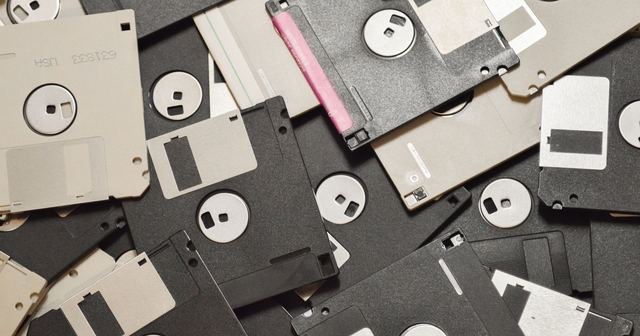
How ZIP Files Work: What Happens When You Compress a Folder
Each file is compressed on its own, then an index is added at the end of the archive.

Why PDF Files Get Large and What Shrinks Them
Image pixels, embedded fonts and saved edits explain most of a PDF's size.
Decimal vs. Binary Units: GB vs. GiB Explained
The same capacity can read 256 GB or 238.42 GiB, and both are correct.
Why Your 1 TB Drive Shows Less Space
A change of unit, from decimal TB to binary GiB, explains the smaller number.
Bits vs. Bytes: How to Tell Kb from KB
Capital B means bytes, lowercase b means bits, and the factor between them is 8.

Plain Text, Rich Text and Spreadsheets: What Drives Document Size
Plain text is characters times bytes each; formatting, tables and pictures add more.

How to Plan Backup Storage Space
Capacity equals data size times copies times growth, adjusted for compression and versions.
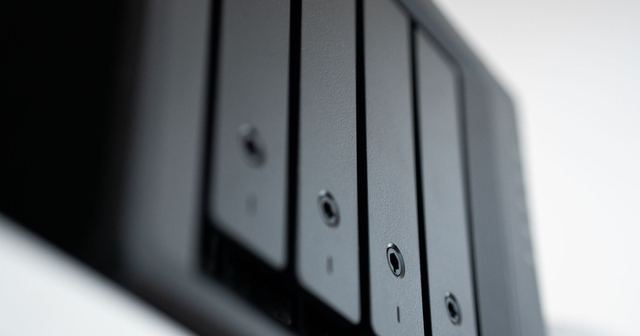
Long-Term File Formats: Choosing Formats That Last
Disclosure, transparency and dependencies tell you more than a format's age or fame.
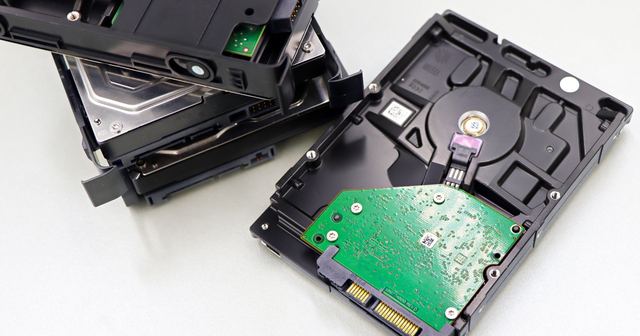
Planning Storage for Photo, Music and Video Libraries
Three formulas and one table turn a library's contents into a storage total.


